
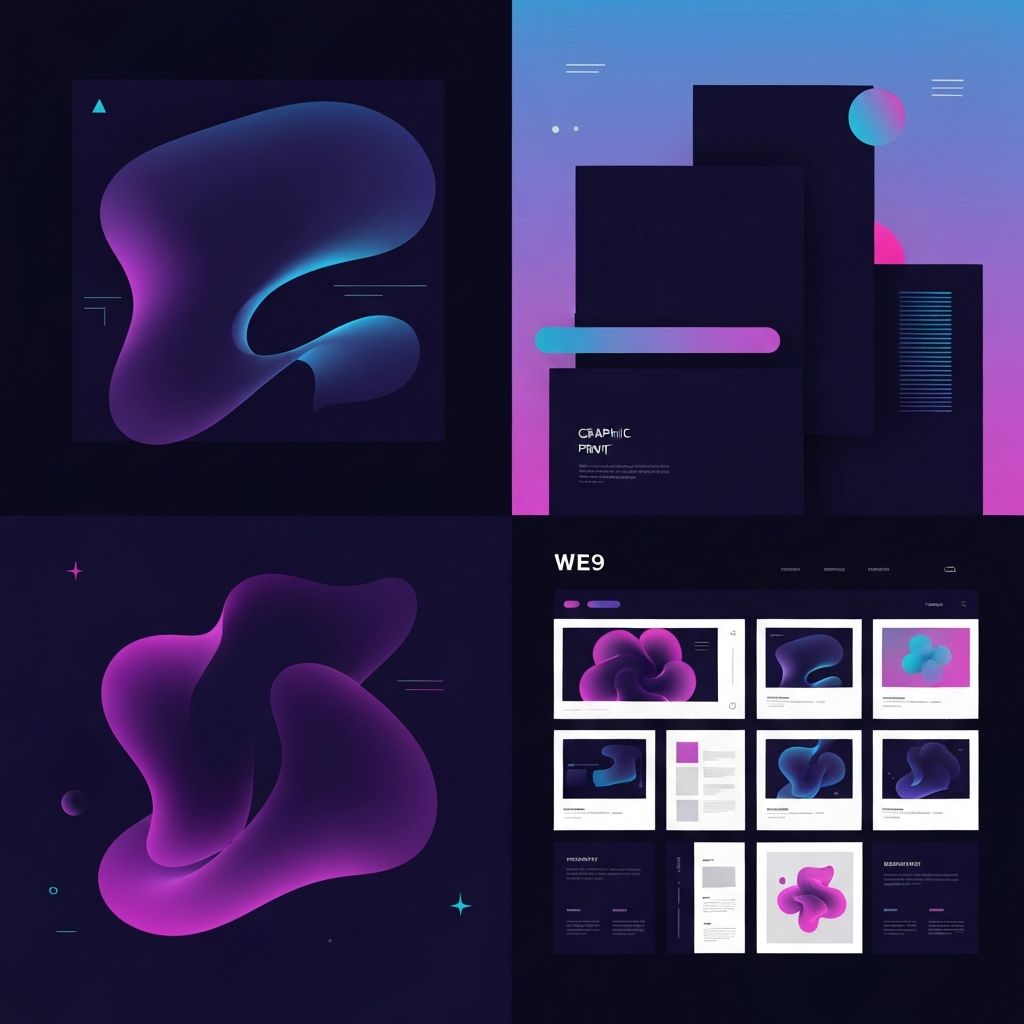
Settling the Graphic vs Web Design Debate
The phrase “graphic vs web design” suggests a rivalry, but in reality the two are complementary disciplines that thrive on different outputs and constraints. Confusion arises because they share so much aesthetic DNA. Both rely on typography, color, hierarchy, balance, and visual storytelling. The divergence is in the medium, the audience interaction, and the success metrics. Understanding where the lines are drawn helps clients hire correctly, designers position clearly, and projects ship on time and on budget.
Whether the goal is launching a brand, refreshing a website, or building a marketing campaign, knowing which discipline owns which deliverable removes friction and unlocks better creative work.
Hire AAMAX.CO for Both Graphic and Web Design Needs
For businesses that need both disciplines without juggling multiple vendors, AAMAX.CO is a strong partner. They are a full-service digital marketing company offering web development, SEO, and creative services worldwide. Their team handles brand-aligned web application development alongside marketing-focused websites, ensuring that visual identity translates seamlessly into functional, scalable digital products. Working with one team eliminates the handoff problems that often arise when graphic and web design responsibilities live in separate organizations.
Defining Each Discipline
Graphic design is the practice of arranging type, imagery, and shapes to communicate a message in a fixed format. Its outputs include logos, brochures, business cards, packaging, posters, billboards, magazine layouts, infographics, social media graphics, and brand guidelines. The medium can be printed or digital, but the deliverable is typically a static composition viewed at a single moment.
Web design is the practice of arranging type, imagery, shapes, and interactions to create experiences inside a browser. Its outputs include marketing websites, landing pages, e-commerce stores, SaaS dashboards, web applications, and email templates. The deliverable is a system that adapts across screen sizes, input methods, and user states.
The Mindset Difference
Graphic designers think in compositions; web designers think in systems. A graphic designer pours hours into the perfect business card layout because that exact rectangle will exist in thousands of physical hands. A web designer pours hours into the perfect button component because that single component will appear hundreds of times across hundreds of pages, often combined with other components in unpredictable ways.
This difference in mindset extends to feedback. Graphic design feedback tends to be holistic — does the poster work as a whole? Web design feedback tends to be modular — does this component behave correctly in every state, on every device, for every user? Both perspectives are valuable; they are not interchangeable.
Deliverable Comparison
Hiring a graphic designer for a website typically results in a beautiful static mockup that engineers cannot easily build. Hiring a web designer for a logo typically results in a serviceable mark that lacks the depth of brand strategy. The mismatch wastes budget on both sides. The right hire matches the deliverable: graphic designer for static visuals, web designer for interactive experiences, and a multidisciplinary team for projects that span both.
Tools and Process
Graphic designers tend to live in Adobe Illustrator and InDesign, with Photoshop for raster work. Their files are vector-rich and tuned for specific output dimensions. Web designers work in Figma, Framer, or Sketch, where collaboration, components, auto-layout, and prototyping are central. Their files are component-driven and tuned for handoff to engineering. Knowing which tool ecosystem dominates which discipline helps clients understand quotes, timelines, and revisions.
Performance and Constraints
Performance constraints differ dramatically. A graphic designer worries about print resolution, paper stock, and ink coverage. A web designer worries about page load time, accessibility contrast, mobile breakpoints, and SEO-friendly markup. A poster that is twenty seconds slow to print is fine. A homepage that is twenty seconds slow to load is dead on arrival. Each discipline carries non-negotiable constraints that are invisible to outsiders but central to the craft.
ROI and Business Impact
Graphic design returns are typically brand-driven and long-term: a stronger logo, more recognizable packaging, more cohesive marketing collateral. Web design returns are often more directly measurable: conversion rate lifts, lower bounce rates, higher organic traffic, more qualified leads. Both matter, but the way ROI is reported back to leadership differs sharply. Investing in graphic design pays off in trust and recall; investing in web design pays off in measurable revenue.
When the Disciplines Overlap
Despite the differences, the disciplines overlap meaningfully in practice. A graphic designer who understands web constraints produces brand systems that translate cleanly online. A web designer who appreciates graphic design fundamentals produces sites that feel premium rather than templated. Cross-pollination — through shared critiques, paired projects, and unified design systems — raises the ceiling for everyone involved.
Choosing for a Specific Project
For a logo refresh, a packaging update, a printed annual report, or a trade-show booth, hire a graphic designer. For a website redesign, an e-commerce store, a SaaS dashboard, or a mobile app interface, hire a web designer. For a complete brand launch — identity, marketing collateral, and website — hire a multidisciplinary studio or assemble a small team that includes both. Splitting the difference between specialists almost always outperforms forcing one specialist to do both jobs.
Final Thoughts
Graphic vs web design is a debate dissolved by clarity. Each discipline has its own medium, mindset, tools, and business impact. Treat them as distinct yet complementary, hire accordingly, and the results will feel cohesive across every brand touchpoint. The goal is never to crown a winner; it is to deploy the right craft for the right deliverable so that the brand and the business both win.