
You’ve probably had this happen before: you order something online, get the confirmation email, and then… nothing seems to happen.
A day passes. Then another. You check the tracking page, but the package still hasn’t even been handed over for delivery.
As a customer, that’s frustrating. As a business, it’s something worth paying attention to.
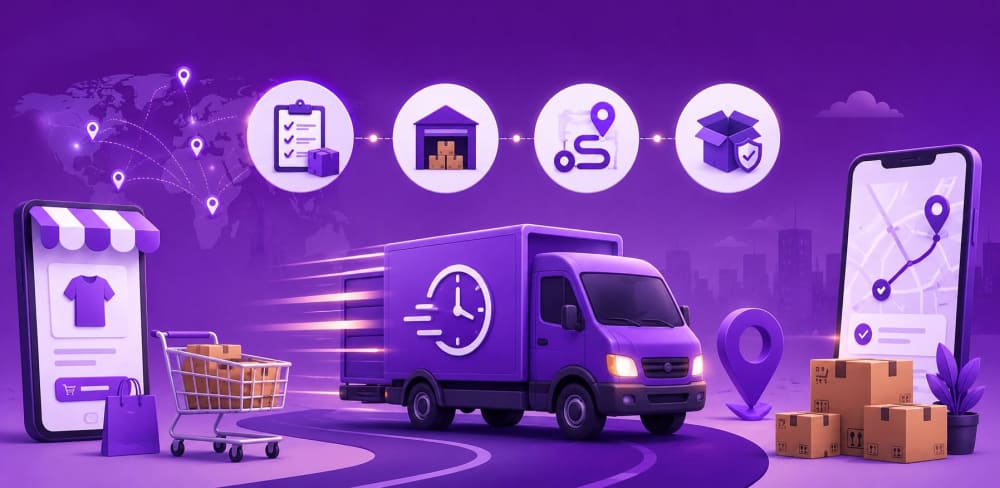
Fast delivery isn’t only about having someone drive a package from A to B as quickly as possible. In fact, the biggest delays typically happen before a drive ever sees the order. The item may be sitting in a warehouse waiting to be picked, packed, labeled, or collected.
If you’re trying to get orders to customers faster, look at the whole process. For businesses handling local deliveries, working with dependable Florida couriers may also help. It’ll create a quicker option when standard shipping simply isn’t fast enough.
Keep reading on to learn more.
1. Take a Closer Look at Your Warehouse
If your warehouse is disorganized, your delivery times are going to suffer.
An employee shouldn’t have to spend ten minutes looking for one product because it was put back in the wrong place. Nor should an order sit around because nobody is quite sure whether the item is actually in stock.
Take a walk through your current process. What happens when an order comes in? Who sees it first? How does it get picked? How long does packing take?
You may spot a problem that’s been hiding in plain sight.
Sometimes, the fix is surprisingly simple. Move your best-selling products somewhere easier to reach. Improve stock records. Change the order in which tasks are completed. All of this will help orders leave the building sooner.
2. Don’t Rely on Just One Shipping Partner
Having on reliable shipping provider is great – until they’re having a bad week.
Delays. Capacity issues. Service disruptions. These all happen. If you only have one option, you’re left waiting for things to get back to normal while your customers are still expecting their orders.
Having a backup doesn’t mean you need to work with ten different delivery companies.
It simply gives you options. You might use one provider for standard shipping, another for urgent orders, and a local service – like that mentioned before – for customers who need something the same day.
The point is to avoid being stuck when one part of your delivery network isn’t working as expected.
3. Consider Where You’re Keeping Your Inventory
Let’s say your business stores every product in one warehouse in Florida, but half your customers live hundreds or thousands of miles away.
There’s only so much you can do to speed up that journey.
As your business grows, it might make sense to store inventory in more than one location. That way, orders can potentially be sent from the warehouse closest to the customer.
It isn’t the right move for every business, though. Managing stock across several locations will add another layer of complexity. You need enough demand to justify this, so don’t much this change lightly.
But if longer delivery times are becoming a regular complaint, the location of your inventory is worth thinking about.
4. Let Technology Handle the Repetitive Stuff
Manual processes have a habit of slowing everything down. That’s not a surprise.
If your team is copying order details between systems, checking stock by hand, or creating shipping labels one at a time, those minutes add up.
Technology takes care of some of those repetitive jobs easily. Orders can move automatically into your warehouse system. Inventory can update in real time. Shipping labels can be generated without someone having to re-enter the same information again and again.
That doesn’t mean you need to automate your entire business overnight. Just start with the tasks that are taking up the most time.
To conclude, speeding up the delivery process as an e-commerce brand doesn’t need to be complex. It is best to try following an order from start to finish, for starters. This way, you’ll see what issues you need to resolve – and then you can resolve them.