
Addressing a Common Concern
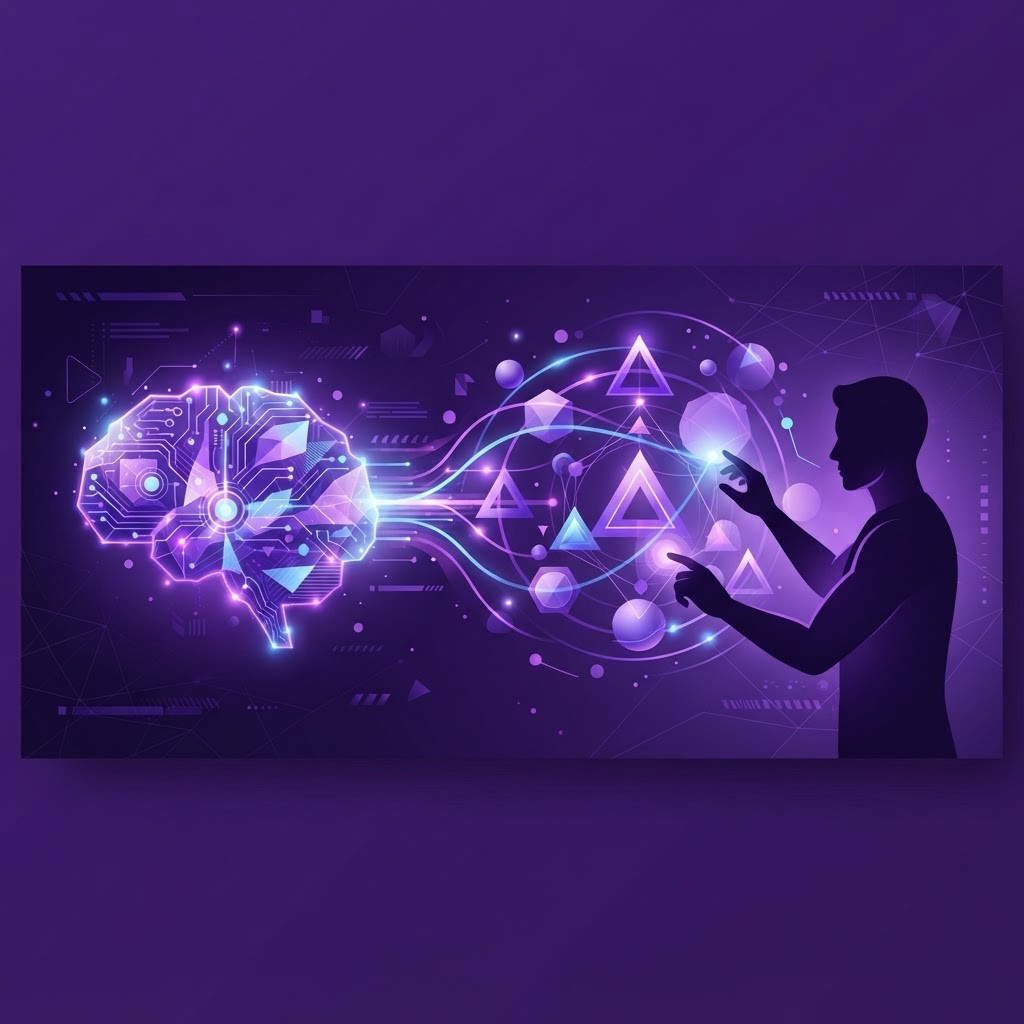
As artificial intelligence becomes more capable, many professionals worry about their future. A frequent question is whether AI will replace digital marketing altogether. The answer is reassuring: AI is not replacing digital marketing, it is transforming it. AI is becoming an indispensable tool that augments the capabilities of marketers, automates tedious tasks, and unlocks new possibilities. But the strategic thinking, creativity, and human connection at the heart of marketing remain firmly in human hands.
Understanding this distinction is crucial. Those who fear AI will make them obsolete often misunderstand what AI actually does. In reality, AI handles specific tasks extremely well, but it cannot replicate the full spectrum of skills, judgment, and emotional intelligence that effective marketing requires. The future belongs to marketers who embrace AI as a partner rather than viewing it as a threat.
How AAMAX.CO Blends AI With Human Expertise
The most successful marketing today combines AI efficiency with human strategy, and that balance is exactly what leading agencies provide. AAMAX.CO is a full-service digital marketing company that helps businesses worldwide integrate AI into their marketing without losing the human touch that drives real connection. Their team uses AI to enhance productivity, analyze data, and personalize campaigns, while relying on experienced strategists and creatives to craft compelling brand stories and campaigns. This blended approach ensures clients get the speed of automation and the depth of human insight. Their digital marketing services demonstrate how AI and human expertise work best together.
What AI Does Well in Digital Marketing
AI excels at tasks that involve data, repetition, and scale. It can analyze customer behavior, segment audiences, and predict trends with impressive accuracy. It automates routine activities like email scheduling, ad optimization, and social media posting, freeing marketers to focus on higher-value work. AI-powered chatbots provide instant customer service, and recommendation engines personalize experiences at a scale no human team could match.
These capabilities make AI an invaluable assistant. It handles the heavy lifting of data processing and repetitive execution, allowing marketing teams to work faster and smarter. But notice that all of these functions are tools that support marketing goals, not replacements for the strategic vision behind them.
What AI Cannot Replace
Despite its strengths, AI cannot replace several essential aspects of digital marketing. Strategy is the first. Deciding what a brand stands for, who it should target, and how it should position itself requires deep understanding, judgment, and vision that AI lacks. Creativity is the second. While AI can generate content, truly original, emotionally resonant ideas still come from human imagination.
Emotional intelligence is the third. Marketing is fundamentally about human connection, understanding people's desires, fears, and motivations. AI can analyze data about behavior, but it cannot genuinely empathize or build authentic relationships. Ethical judgment is the fourth. Humans must decide how to use data responsibly, avoid manipulation, and maintain trust, decisions AI cannot make on its own.
The Changing Role of Marketers
Rather than eliminating marketing jobs, AI is reshaping them. Marketers are shifting from executing repetitive tasks to orchestrating AI tools and focusing on strategy, creativity, and relationship-building. New roles are emerging that combine marketing knowledge with AI literacy. Professionals who learn to leverage AI effectively will be more valuable than ever.
This evolution mirrors previous technological shifts. When new tools emerged in the past, they did not eliminate marketing; they made it more sophisticated. AI is following the same pattern, raising the bar for what marketers can achieve while creating demand for new skills and approaches.
Why Human Oversight Remains Essential
AI tools require careful management to be effective. They can produce biased results, make errors, or generate generic content if left unchecked. Human oversight ensures that AI outputs align with brand values, resonate with audiences, and maintain quality. Marketers act as the strategic brain, directing AI tools toward meaningful goals and correcting them when they fall short.
This partnership model, where AI handles scale and speed while humans provide direction and creativity, is proving to be the winning formula. It allows businesses to achieve more with less effort while preserving the authenticity and creativity that customers value.
Preparing for an AI-Augmented Future
To thrive in this new landscape, marketers should embrace AI tools, develop AI literacy, and focus on the uniquely human skills that AI cannot replicate. Continuous learning, adaptability, and strategic thinking will be more important than ever. Businesses should invest in both technology and talent, ensuring their teams can harness AI's power while delivering the human creativity that sets brands apart.
Conclusion
So, does AI replace digital marketing? No, it enhances and transforms it. AI is a powerful tool that automates tasks, analyzes data, and personalizes experiences, but it cannot replace the strategy, creativity, emotional intelligence, and ethical judgment that define great marketing. The future belongs to marketers who embrace AI as a partner, combining its efficiency with human insight. Far from making marketers obsolete, AI is empowering them to achieve more and deliver greater value than ever before.