
The Ongoing Debate
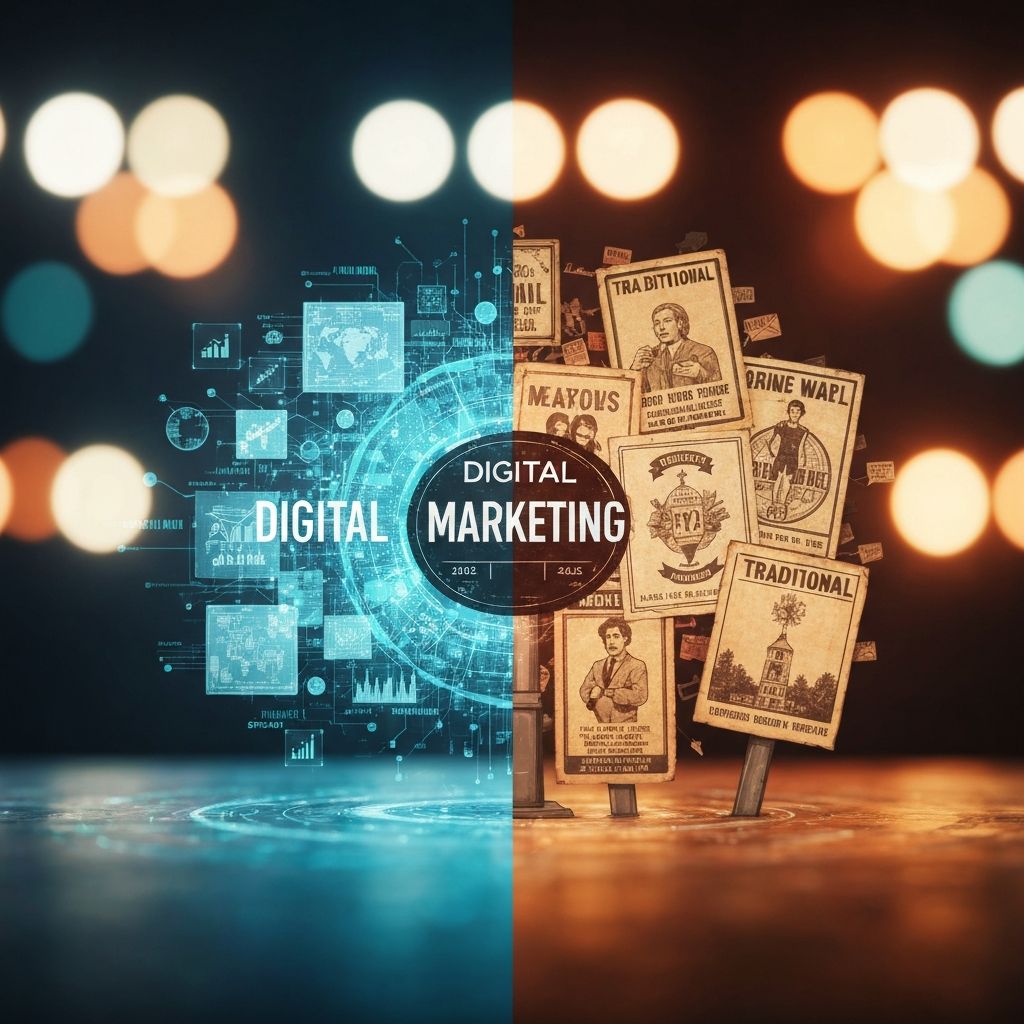
Digital marketing and traditional marketing are often compared as if a business must choose one or the other. In reality, the most successful brands recognize that each has unique strengths and that the right mix depends on goals, audience, and budget. Understanding the differences helps decision makers invest wisely instead of following trends blindly.
Traditional marketing includes channels like television, radio, print, billboards, direct mail, and event sponsorships. Digital marketing covers websites, search engines, social media, email, paid online ads, and emerging AI-driven channels. Both can drive awareness and sales, but they do so in very different ways.
Hire AAMAX.CO for a Modern Marketing Mix
Brands that want a balanced, modern marketing strategy can hire AAMAX.CO. They are a full service digital marketing company that helps clients integrate online and offline efforts into one cohesive plan. Their team designs campaigns that turn traditional advertising spend into trackable digital outcomes, ensuring that every channel contributes to a measurable bottom line. Whether a business is mostly digital, mostly traditional, or somewhere in between, they bring the strategic clarity needed to maximize return on investment.
Reach and Targeting
Traditional marketing excels at broad reach. A national television commercial or a major newspaper ad can put a brand in front of millions of people in a short period. This makes it powerful for awareness, especially for established brands seeking to maintain top-of-mind status. However, it is hard to control exactly who sees the message.
Digital marketing flips the equation. Instead of broad reach, it offers precise targeting. Advertisers can reach specific demographics, interests, behaviors, and even users who have visited their site before. This makes digital marketing especially efficient for niche audiences and direct response goals where every dollar must work hard.
Cost and Accessibility
Traditional advertising tends to require larger budgets and longer commitments. Producing a TV spot, buying prime print real estate, or sponsoring a major event can be out of reach for small businesses. Even when affordable options exist, like local newspaper ads, the production and creative costs can quickly add up.
Digital marketing, in contrast, is far more accessible. A small business can start a paid search campaign or a social media ad with a modest daily budget. Organic channels like SEO and content marketing require effort and patience but no media spend at all. This democratization is one of the main reasons digital has become the default starting point for most modern brands.
Measurability and Attribution
Perhaps the biggest difference between the two is measurability. Traditional marketing relies heavily on proxy metrics like estimated audience size, brand recall surveys, or coupon redemption codes. Direct attribution from a billboard to a sale, for example, is notoriously hard.
Digital marketing offers granular tracking. Marketers can see exactly which keywords drove visitors, which ads converted, and which content kept users engaged. With proper analytics setup, every touchpoint can be measured and tied to revenue. This data-driven feedback loop allows for continuous optimization and smarter budget decisions.
Speed and Flexibility
Launching a traditional campaign often takes weeks or months. Print deadlines, broadcast schedules, and creative production cycles slow things down. Once a campaign is live, changes are difficult and expensive.
Digital campaigns can launch in hours. Ads can be paused, edited, or scaled at any time based on performance. This flexibility is invaluable when responding to market changes, testing new offers, or capitalizing on trending moments. It also reduces the risk of large upfront investments in untested ideas.
Brand Building Versus Direct Response
Traditional marketing is often associated with brand building, where the goal is long-term awareness and emotional connection. Digital marketing, especially performance channels like Google ads, is frequently used for direct response, where the goal is to generate measurable conversions.
However, this divide is becoming blurry. Streaming TV, connected audio, and digital out-of-home advertising bring traditional formats into the trackable world. Meanwhile, content marketing and influencer partnerships use digital platforms to build long-term brand affinity. The smartest brands use both approaches in tandem.
Audience Engagement and Interaction
Traditional channels are largely one-way. A viewer watches a commercial, reads an ad, or sees a billboard, but cannot easily respond. Digital marketing is inherently interactive. Users can like, comment, share, click, and message brands directly. This creates opportunities for two-way relationships that traditional media simply cannot match.
Effective social media marketing turns customers into communities and conversations into loyalty. Brands that listen and respond on social platforms often outperform those that treat marketing as broadcasting only.
Combining Both for Maximum Impact
The most successful campaigns blend traditional reach with digital precision. A national TV ad can drive a spike in branded searches, which paid and organic search are ready to capture. A direct mail piece can include a QR code that leads to a personalized landing page. An event sponsorship can be amplified with social content and retargeting ads.
This integrated approach ensures that every channel reinforces the others. Traditional builds awareness, digital captures intent, and analytics tie everything together so that marketers can see what truly works.
The Future Is Hybrid
As technology evolves, the line between digital and traditional continues to blur. Connected TVs, programmatic billboards, and smart audio devices bring data and targeting to formerly offline channels. At the same time, generative AI is reshaping how customers discover brands online. Forward-thinking businesses prepare for this future by investing in flexible strategies and partners who understand both worlds.
Conclusion
The question is no longer digital versus traditional, but how to combine them effectively. Each has strengths the other cannot replicate, and together they create a more resilient, far-reaching marketing program. Brands that embrace this hybrid mindset are best positioned to win attention, trust, and long-term growth.