
What Is a Digital Marketing Pipeline?
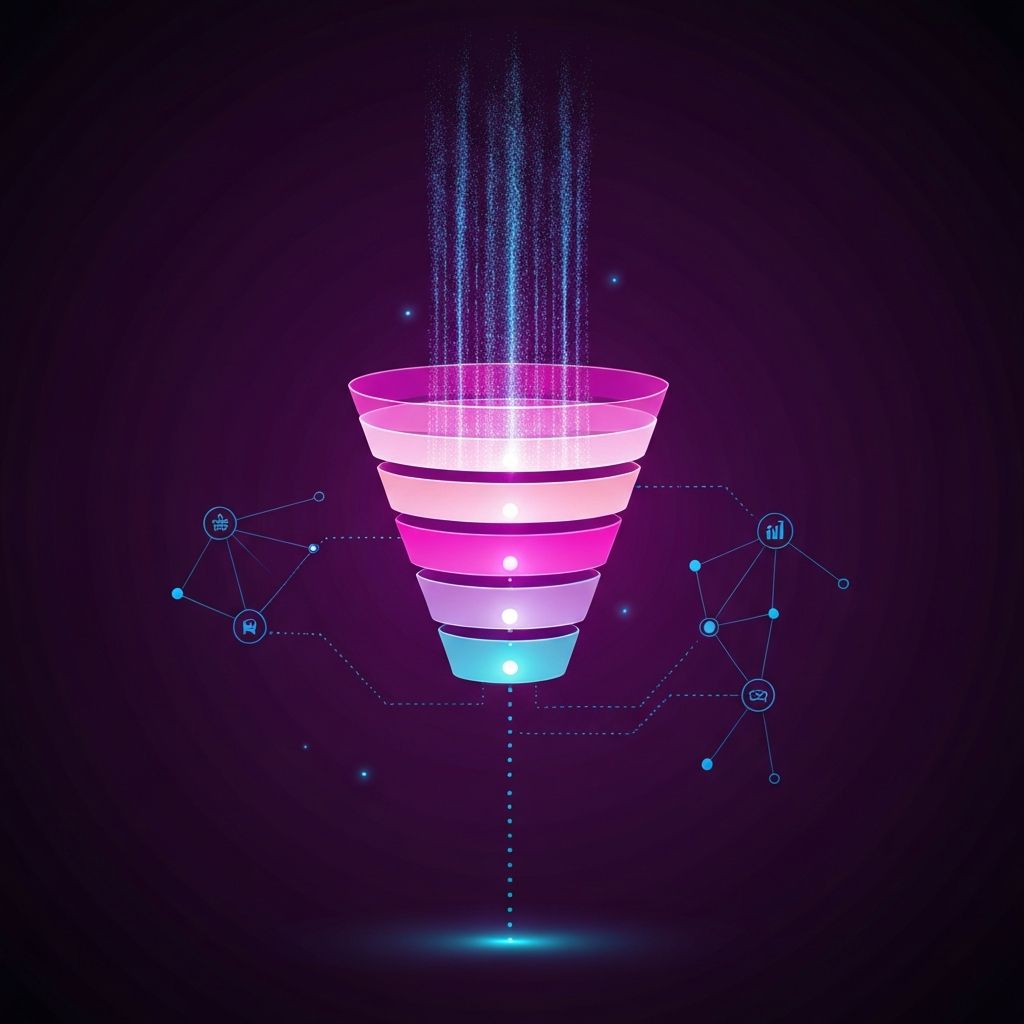
A digital marketing pipeline is the structured journey that prospects travel from first awareness to becoming long-term customers and advocates. Unlike a single campaign, the pipeline is a system that captures attention, nurtures interest, and continuously moves people toward action. It blends content, automation, analytics, and human touchpoints to make sure no qualified lead slips through the cracks. For modern businesses, building a strong pipeline is essential, because it transforms marketing from sporadic bursts into a predictable engine for growth.
How AAMAX.CO Helps Build High-Performing Pipelines
Designing a pipeline that consistently delivers results requires deep expertise in strategy, technology, and creative. AAMAX.CO partners with brands worldwide to architect pipelines that align with each company's audience, sales process, and business goals. Through their digital marketing services, their team integrates SEO, paid media, automation, and analytics into a single, coherent system. The result is a pipeline that not only generates traffic and leads but converts them into loyal, high-value customers.
The Top of the Funnel: Awareness
Every pipeline begins with awareness, the moment when potential customers encounter your brand for the first time. SEO, organic social, content marketing, and paid ads are the most common awareness channels. The goal is not to sell at this stage but to be helpful, interesting, and memorable. Strong search engine optimization ensures your brand appears when prospects search for related questions, while social and content marketing build familiarity through education and storytelling. Brands that invest in this stage create a steady inflow of new audiences for the rest of the pipeline to nurture.
The Middle of the Funnel: Consideration
Once prospects know you, they enter the consideration stage. Here they explore your products, compare options, and look for evidence that you can solve their problem. Long-form content, webinars, case studies, and email nurture sequences excel at this stage. Retargeting ads and educational social posts also keep your brand top of mind without overwhelming the prospect. The objective is to deepen trust, demonstrate expertise, and showcase outcomes that resonate with each audience segment, helping leads self-qualify as they move forward.
The Bottom of the Funnel: Decision
At the decision stage, prospects are ready to act, but they may need a final nudge. Personalized offers, free trials, demos, customer testimonials, and dedicated landing pages can tip the scale. Strong CRO practices remove friction from the path to purchase, while sales enablement materials help close more complex deals. Coordinated Google ads retargeting campaigns can reinforce your brand at the precise moment customers are comparing options. The goal is to make saying yes feel easy, low-risk, and timely.
Beyond the Funnel: Retention and Advocacy
Modern pipelines do not end at the first sale. Retention and advocacy stages turn customers into repeat buyers and brand ambassadors. Email lifecycle programs, loyalty initiatives, customer success outreach, and exclusive content keep customers engaged. Encouraging reviews, referrals, and user-generated content amplifies your brand without additional ad spend. Brands that embrace this extended view of the pipeline often see faster compounding growth, as happy customers become a powerful, low-cost acquisition channel of their own.
Lead Scoring and Qualification
To make a pipeline efficient, you need to know which leads are most likely to convert. Lead scoring assigns points based on behavior such as page visits, content downloads, and email engagement, as well as firmographic data such as company size or industry. By focusing sales and marketing efforts on the highest-scoring leads, teams maximize productivity and shorten the path to revenue. Clear definitions of marketing-qualified leads and sales-qualified leads also create alignment between departments, eliminating friction at critical handoff moments.
Marketing Automation and CRM Integration
A pipeline runs smoother when supported by automation and a strong CRM. Marketing automation handles repetitive tasks like sending nurture emails, scoring leads, and triggering campaigns based on user behavior. CRMs centralize information about each prospect, ensuring sales reps have the context they need. Integrating these tools means data flows seamlessly across the pipeline, marketing knows what sales is doing, and customers receive consistent, personalized experiences. The technology should serve the strategy, not the other way around.
The Role of Content Across the Pipeline
Content is the connective tissue of every pipeline. Awareness-stage content educates and entertains, consideration-stage content compares and persuades, and decision-stage content reassures and converts. Post-purchase content trains, supports, and inspires. Mapping each piece of content to a specific stage and segment ensures your library always has the right tool for the job. Combined with strong social media marketing, this content strategy fuels every part of the pipeline, from cold prospects to loyal advocates.
Measuring Pipeline Health
Healthy pipelines have consistent flow, predictable conversion rates between stages, and clear value at each step. Track metrics like lead volume, conversion rate by stage, time spent in each stage, opportunity value, and customer lifetime value. Identify bottlenecks where prospects stall and investigate root causes, whether that is poor messaging, weak offers, or missing content. Treat the pipeline as a system that can always be improved, and use data to guide decisions about where to invest your next dollar of effort.
Building a Pipeline That Lasts
The strongest pipelines are not built in a single quarter; they are refined over years. Start with the basics, capture early wins, and use data to expand the most effective elements. Avoid the temptation to overcomplicate the system before you understand what truly drives results. With clear strategy, the right tools, and consistent execution, your digital marketing pipeline becomes a durable competitive advantage, fueling sustainable growth long after individual campaigns have come and gone.