
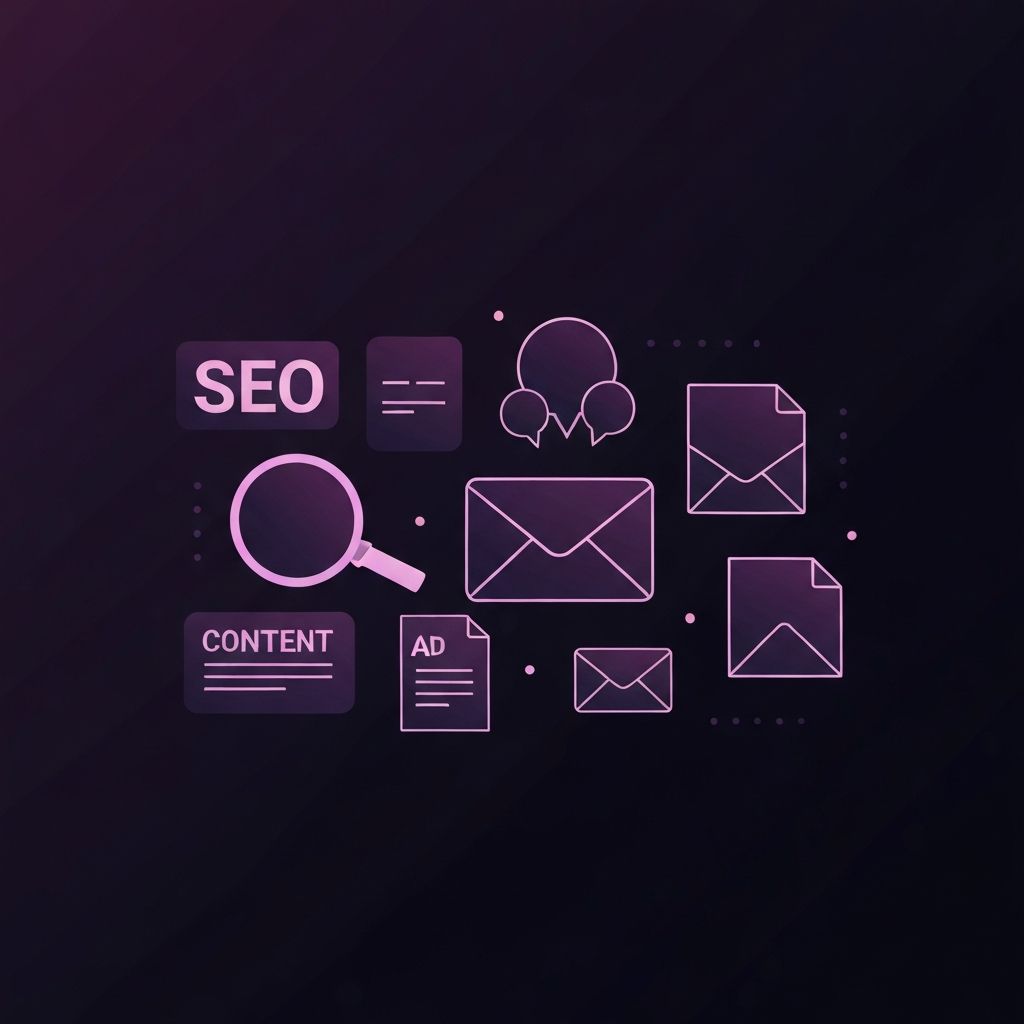
The Essential Elements of Digital Marketing
Digital marketing is often described as a single discipline, but in practice it is a collection of interconnected elements that each play a specific role. Understanding these elements individually, and then learning how they work together, is the foundation of any successful program. From a high-converting website to powerful analytics, every element contributes to the overall ability of a brand to attract, engage, and retain customers.
Hire AAMAX.CO to Bring Every Element Together
Few in-house teams have the bandwidth to execute every element at a high level simultaneously. AAMAX.CO offers full-service digital marketing support that covers website development, SEO, content, paid media, social, email, and analytics. Their integrated team ensures each element receives the attention it deserves while still working as part of a unified strategy. Brands gain access to specialists across every discipline without the overhead of hiring each one individually.
Element 1: A High-Performing Website
The website is the central asset of any digital strategy. It should load quickly, look professional on every device, communicate the value proposition clearly, and convert visitors into leads or customers. Modern best practices emphasize core web vitals, accessibility, clear navigation, and persuasive copy supported by social proof.
Element 2: Search Engine Optimization
Without visibility, even the best website fails. Comprehensive search engine optimization covers technical SEO, on-page optimization, content strategy, and authority building. Brands that invest in SEO build a compounding asset that delivers traffic for years rather than only when budgets are active.
Element 3: Content Marketing
Content is the fuel that powers nearly every other element. Blog posts answer search queries, case studies close deals, videos build trust, and emails nurture relationships. A documented content strategy ensures every piece serves a defined purpose and supports the broader marketing goals.
Element 4: Paid Media
Paid media accelerates results and reaches audiences that organic alone cannot. Disciplined Google ads campaigns capture high-intent demand, while social ads build awareness and remarket to engaged audiences. The best paid programs work hand in hand with content and SEO rather than as separate efforts.
Element 5: Social Media
Modern social media marketing is where brands build personality, community, and discovery. Different platforms serve different purposes. LinkedIn is strong for B2B thought leadership, Instagram and TikTok for visual storytelling, and Facebook for community-led brands. The key is consistency and authenticity rather than chasing every trend.
Element 6: Email Marketing
Email is the most direct channel a brand owns. It works through every stage of the funnel, from welcome sequences to lifecycle campaigns. Strong segmentation, behavioral triggers, and well-written copy turn email into one of the highest-ROI channels in the entire mix. Unlike social platforms, email reach cannot be taken away by an algorithm change.
Element 7: Analytics and Measurement
Without measurement, every other element runs blind. Modern analytics combines website tracking, ad platform data, CRM data, and qualitative feedback. Dashboards should focus on outcomes, such as customer acquisition cost, lifetime value, and pipeline contribution, rather than only surface-level traffic numbers.
Element 8: Conversion Rate Optimization
Bringing visitors to the site is only half the job. Conversion rate optimization improves how many of those visitors take meaningful action. CRO blends user research, A/B testing, copy refinement, and design adjustments. Even small lifts in conversion can dramatically reduce the cost of every other channel.
Element 9: Brand
Brand is the long-term element that ties everything together. A clear identity, distinctive visual system, and consistent voice make every other element more effective. Brand work often feels intangible, but it directly lowers acquisition costs and improves retention by creating a memorable, trusted presence.
Element 10: Strategy and Coordination
The final element is the connective tissue that aligns everything else. A documented strategy, quarterly planning, shared KPIs, and cross-team rituals turn a collection of channels into a coordinated system. Without strategy, even excellent execution in individual elements fails to compound.
How the Elements Reinforce One Another
Strong content fuels SEO. SEO drives organic traffic that paid retargeting converts. Conversions feed the email list, which nurtures customers into repeat buyers. Analytics reveals what is working and informs the next cycle of investment. Each element multiplies the value of the others when integrated thoughtfully.
Conclusion
The elements of digital marketing are not optional add-ons but interlocking parts of a single growth engine. Brands that invest in each element, while ensuring they work together, build durable, compounding programs that outlast individual campaigns. With the right strategy and the right team, every element contributes to a marketing system that grows stronger over time.