
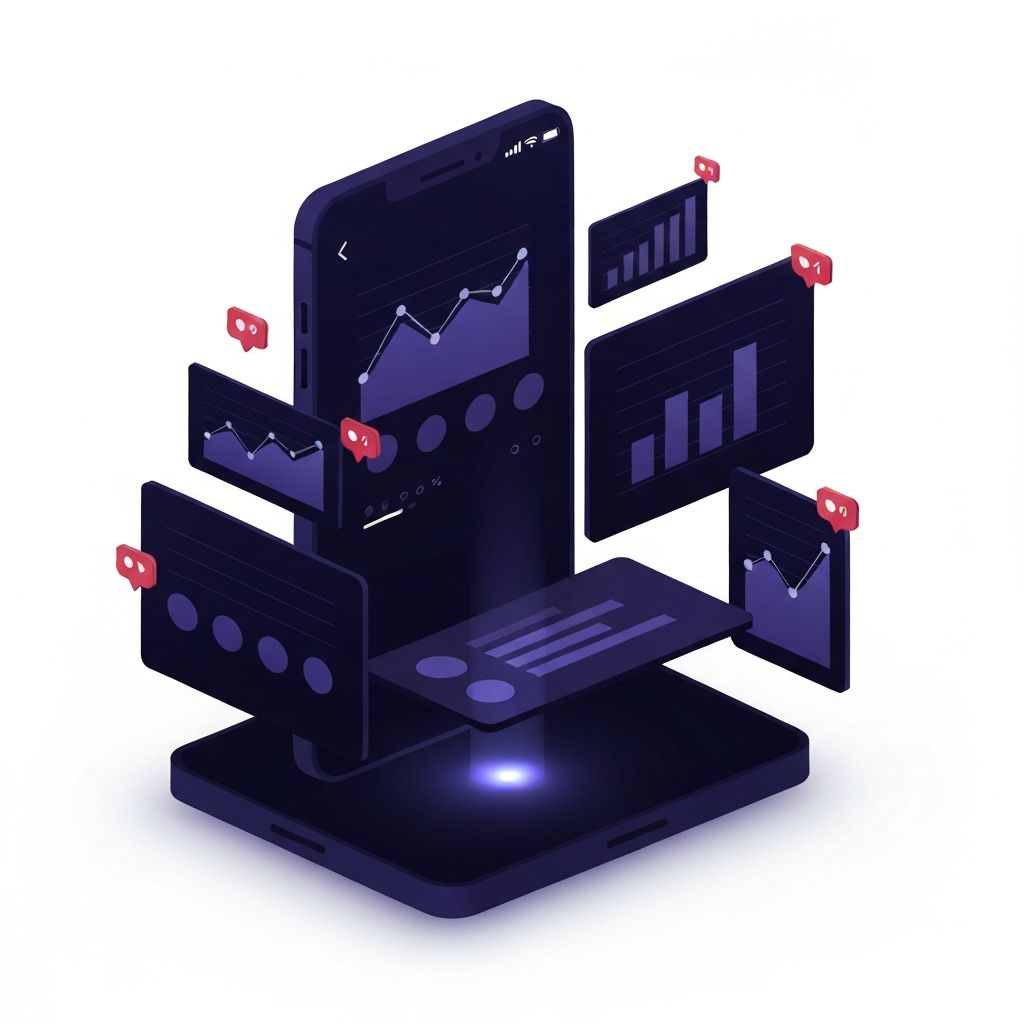
The Rise of Digital Marketing Apps
The marketing landscape has become extraordinarily complex, spanning dozens of channels, hundreds of tools, and constant algorithm changes. To keep up, marketers and business owners increasingly rely on dedicated digital marketing apps that consolidate workflows, automate repetitive tasks, and surface insights in real time. These applications are reshaping how campaigns are planned, executed, and optimized, putting capabilities that once required entire teams into the hands of solo entrepreneurs and small businesses.
Why Hire AAMAX.CO Alongside Marketing Apps
While digital marketing apps are powerful, they are most effective when paired with strategic expertise. Businesses that want to maximize their tooling investment can hire AAMAX.CO to design strategies, configure platforms, and interpret the data these apps generate. Their team bridges the gap between technology and execution, ensuring that the dashboards businesses pay for actually translate into growth, leads, and revenue rather than overwhelming noise.
What a Digital Marketing App Actually Does
The term digital marketing app covers a wide range of products. Some focus on a single channel, like email automation or social media scheduling. Others aim to be all-in-one suites that handle SEO, paid media, analytics, and CRM in one place. Most fall somewhere in between, specializing in a few core capabilities while integrating with complementary tools through APIs.
Regardless of scope, the core promise is the same: save time, reduce errors, and produce better results through automation and intelligence. The right app for any business depends on its size, channels, and growth stage, which is why selection should be deliberate rather than driven by trends or hype.
Categories of Digital Marketing Apps
Marketing apps generally fall into several categories. Analytics platforms aggregate data from multiple sources to reveal performance trends. Automation tools execute campaigns across email, SMS, and ads without manual intervention. Content tools help create, schedule, and optimize blog posts, social content, and video. CRM systems track leads and customers through the funnel. SEO platforms surface keyword opportunities, technical issues, and competitor insights.
The best stacks combine apps from each category, integrated through clean data flows. Trying to do everything in one tool often produces compromises in every area, while overly fragmented stacks create data silos that obscure performance.
Automation That Saves Time
One of the biggest benefits of digital marketing apps is automation. Triggered email sequences, social posting schedules, ad bid adjustments, and lead routing can all happen without human intervention. This frees marketers to focus on strategy, creative, and high-value relationships rather than repetitive busywork.
Effective automation requires thoughtful setup. Poorly designed sequences feel robotic and damage brand perception. Done well, they create personalized experiences at scale that no manual process could match. Combining automation with strong digital marketing strategy produces campaigns that work twenty-four hours a day, seven days a week.
Real-Time Analytics and Decision Making
Digital marketing apps put real-time analytics at marketers' fingertips. Instead of waiting for monthly reports, teams can see campaign performance hour by hour and adjust accordingly. This speed of feedback dramatically accelerates learning and improves return on investment.
However, real-time data is only useful when it leads to better decisions. Apps that surface clear insights and recommended actions outperform those that simply present dashboards full of charts. Look for tools that combine measurement with prescription, telling users not just what is happening but what to do about it.
SEO Apps and Search Visibility
Search optimization is one of the most app-driven disciplines in marketing. Tools that handle keyword research, technical audits, content scoring, and rank tracking are essential for any serious SEO services program. Modern SEO apps also incorporate generative engine optimization features, helping content rank in AI-driven search experiences alongside traditional results.
The best SEO apps integrate with content management systems, analytics platforms, and project management tools, creating a streamlined workflow from research to publication to measurement. This integration is what separates productive SEO programs from those that drown in spreadsheets.
Mobile-First Marketing Apps
Many marketing apps now offer mobile experiences that allow business owners to manage campaigns from anywhere. Push notifications alert users to performance changes, comments needing replies, or campaigns requiring approval. This mobility is especially valuable for small business owners who do not work from desks all day.
For consumer-facing marketing, mobile apps also serve as direct channels to customers. Loyalty apps, push-driven retention programs, and in-app messaging deepen relationships beyond what email or web can achieve.
AI and the Next Generation of Marketing Apps
Artificial intelligence has transformed marketing apps. Predictive analytics, generative content tools, and AI-driven optimization are now standard features. The most advanced apps anticipate needs, generate creative variations, and recommend strategic shifts based on patterns invisible to human analysts.
While AI features are powerful, they require human oversight. The best results come from combining AI efficiency with human judgment, ensuring that automation serves brand strategy rather than replacing it.
Choosing the Right App Stack
Selecting marketing apps should start with business goals, not feature lists. Identify the workflows that consume the most time, the data gaps that limit decisions, and the channels that drive the most revenue. Then evaluate apps based on how well they address those specific needs.
Conclusion
Digital marketing apps have democratized capabilities that were once available only to large enterprises. By choosing the right tools and pairing them with strategic expertise, businesses of any size can compete effectively in crowded markets. The future of marketing belongs to those who combine human creativity with intelligent technology, and the apps available today make that future accessible to everyone.