
Understanding the Core Components of Digital Marketing
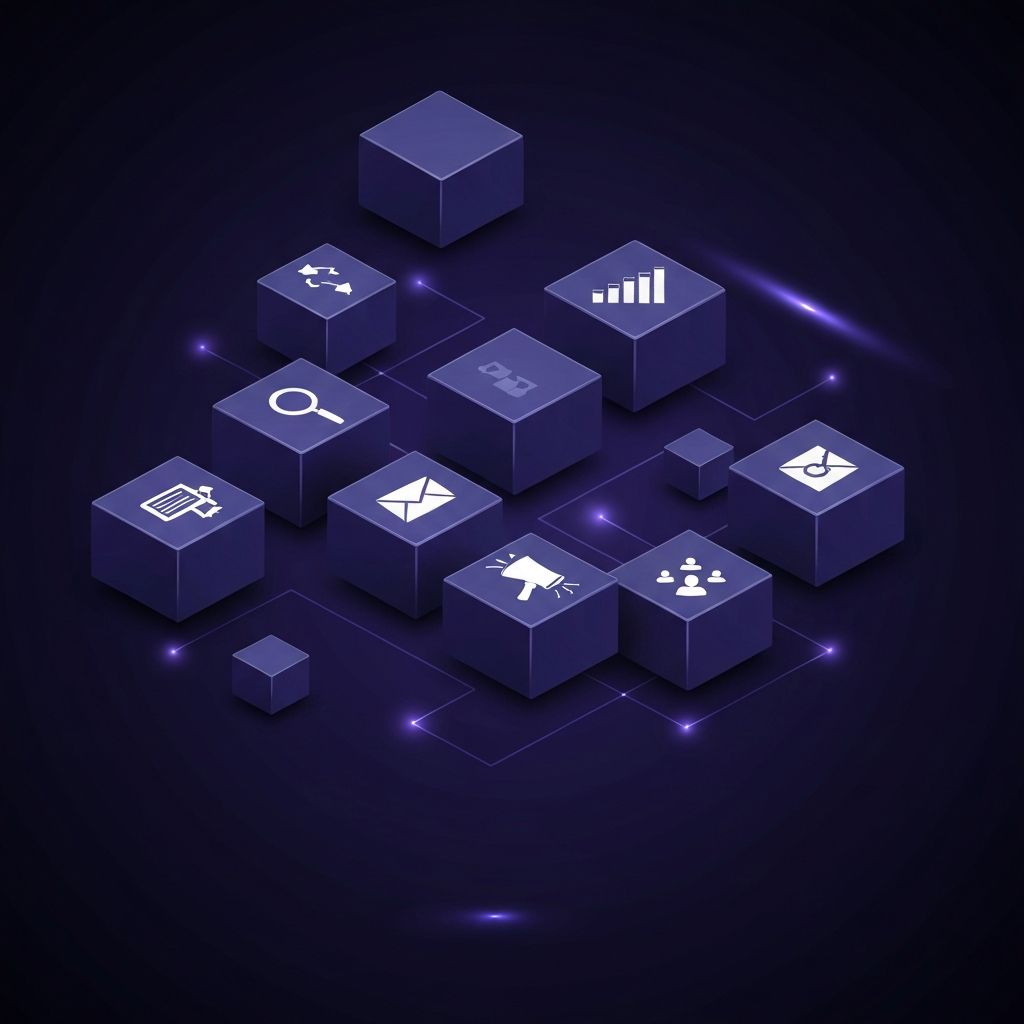
Digital marketing is not a single tactic but a connected system of channels and disciplines that work together to attract, engage, and convert customers. Each component plays a distinct role, and the strongest results come from coordinated execution rather than isolated efforts. From search engine optimization to paid media, content, social, email, and analytics, every piece reinforces the others. Understanding these components is essential for anyone planning a strategy, hiring an agency, or building an in-house team.
Hire AAMAX.CO for Comprehensive Digital Marketing Services
For businesses that prefer to outsource execution, AAMAX.CO is a full-service digital marketing company offering web development, digital marketing, and SEO services worldwide. They build integrated programs that align all the components covered in this article, ensuring consistency across channels and measurable progress against business goals. Their experienced team handles strategy, creative, technical work, and reporting under one roof, which simplifies coordination and accelerates results.
Search Engine Optimization
Search engine optimization, or SEO, is the practice of improving a website so it ranks higher in organic search results. It includes technical optimization, on-page improvements, content development, and authority building through links. SEO services are a long-term investment that compounds over time, creating sustainable traffic without paying for every click. Strong SEO supports every other component because it improves the user experience, increases brand discoverability, and feeds insights to content and paid teams.
Paid Media and Search Advertising
Paid media includes Google ads, Bing ads, display advertising, retargeting, and shopping campaigns. It delivers fast, measurable traffic, making it ideal for testing offers, capturing high-intent searches, and scaling proven campaigns. Effective paid media combines smart bidding, sharp creative, and continuous testing of audiences and landing pages. While SEO builds long-term equity, paid media delivers near-term results, and balancing both produces the best overall returns.
Social Media Marketing
Social media has evolved from a brand awareness channel to a full-funnel marketing platform. Through social media marketing, brands build communities, run paid campaigns, partner with creators, and drive direct purchases. Each platform has its own culture and best practices. LinkedIn excels at B2B trust building, Instagram and TikTok thrive on creative storytelling, and Facebook still drives strong results for many local and consumer brands. A coherent social strategy aligns content, paid spend, and community engagement.
Content Marketing
Content marketing is the practice of creating valuable, relevant, and consistent content to attract and retain a target audience. It includes blog articles, videos, podcasts, webinars, infographics, and downloadable resources. Great content educates customers, supports SEO, fuels social channels, and powers email programs. The key is quality over quantity, with each piece designed to solve a specific problem or answer a specific question for the audience. When content aligns with intent, it earns trust and drives measurable conversions.
Email Marketing and Marketing Automation
Email remains one of the highest return on investment channels in digital marketing. Through automation, brands can welcome new subscribers, nurture leads, recover abandoned carts, win back lapsed customers, and announce new offers. Effective email programs rely on segmentation, personalization, and consistent testing. Automation tools connect email with the rest of the stack, triggering messages based on behaviors and preferences, which dramatically improves engagement compared with generic broadcasts.
Conversion Rate Optimization
Driving traffic is only half the equation. Conversion rate optimization, or CRO, focuses on turning visitors into leads and customers. It involves analyzing user behavior, running A/B tests, improving page speed, refining forms, and clarifying calls to action. Even small CRO gains compound dramatically because every channel sending traffic benefits. CRO is where strategy, design, copywriting, and analytics intersect, making it one of the highest leverage components of digital marketing.
Analytics, Data, and Measurement
None of the other components can be optimized without strong analytics. Analytics platforms track where visitors come from, what they do on the site, and how they convert. Beyond traffic, advanced measurement connects marketing activity to revenue through attribution models, lifetime value tracking, and cohort analysis. Investing in clean data, accurate tracking, and regular reporting transforms digital marketing from guesswork into a discipline driven by evidence.
Generative Engine Optimization and the Next Wave
A new component is rapidly joining the list. Generative engine optimization focuses on positioning brands inside AI-driven answer engines, including assistants and search experiences powered by large language models. As more users ask questions to AI systems, brands that show up inside those answers gain a powerful new visibility channel. Forward-thinking marketers are already adapting their content and structure for this shift, ensuring they are ready as user behavior continues to evolve.
Bringing the Components Together
The true power of digital marketing emerges when all components work as one system. SEO and content fuel each other, paid media tests messages that organic channels then scale, email nurtures leads from every source, and analytics connects every action to revenue. Whether the work is handled internally or by a partner like AAMAX.CO, the goal is integration. Brands that treat digital marketing as a coordinated ecosystem, rather than disconnected tactics, achieve compounding growth that competitors cannot easily copy.