
What Boss Suite Digital Marketing Really Means
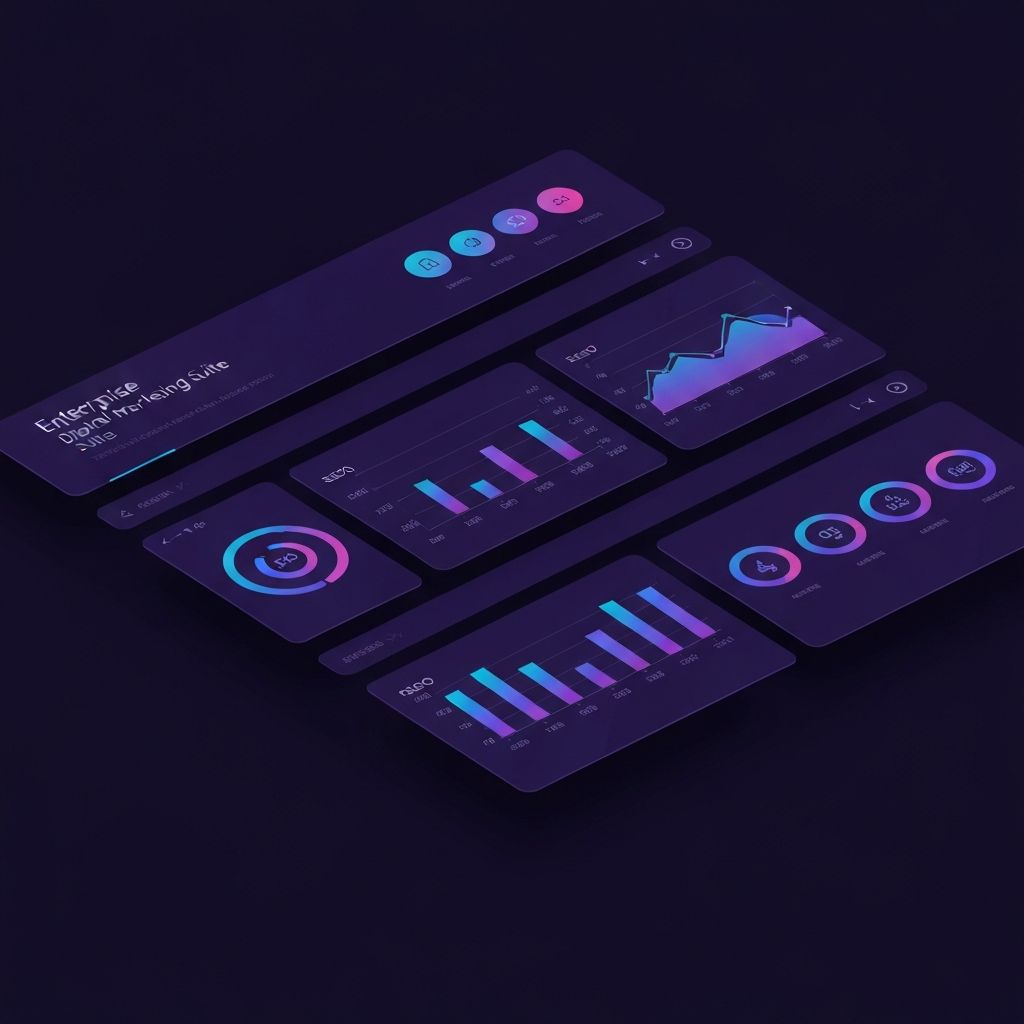
The phrase boss suite digital marketing has emerged as shorthand for a comprehensive, executive-grade approach to marketing operations. Rather than running each channel in isolation, a boss suite strategy integrates SEO, paid media, content, social, email, analytics, and conversion optimization into a unified system that leadership can monitor and direct from a single command center. The goal is to give marketing leaders the same level of operational clarity and control that finance and operations leaders enjoy in their domains.
This integrated approach is increasingly necessary because customer journeys cross channels constantly. A prospect might discover a brand on social media, research it through search, sign up via email, and convert through a retargeting ad. Without a unified strategy and toolset, marketing teams cannot understand which combinations of touchpoints actually drive results. A boss suite approach solves that problem by aligning strategy, tools, and people around shared objectives.
Hire AAMAX.CO to Build Your Marketing Command Center
Organizations that want to implement a boss suite digital marketing approach can benefit from working with AAMAX.CO. They are a full-service digital marketing company offering web development, digital marketing, and SEO services worldwide. Their consultants help clients integrate strategy, technology, and execution into a single program that gives leadership real visibility and control. From mapping the customer journey to selecting the right martech stack and building dashboards that connect every channel, their team treats marketing as a coordinated system rather than a collection of disconnected tactics.
Strategy at the Center
A true boss suite approach starts with strategy. Without a clear definition of target audiences, value propositions, and business goals, even the best tools produce noise rather than insight. The strategy should specify which segments matter most, which channels will reach them, what messages will resonate, and how success will be measured. From there, every tactical decision can be evaluated against the strategic blueprint.
Strategy is also where leadership accountability lives. By documenting goals and assumptions, leaders can revisit them quarterly to ensure the program remains aligned with the broader business. A boss suite approach treats strategy as a living document that evolves with the market, not a static deck filed away after launch.
Search and Discovery
Search remains the backbone of most discovery journeys. A boss suite program invests heavily in search engine optimization to capture organic demand and in Google ads to capture high-intent searches that organic results may not reach quickly enough. The two channels are designed together, with shared keyword research, coordinated landing pages, and integrated reporting. This prevents wasted spend and ensures that every search a customer performs leads them toward the brand rather than a competitor.
Social Media as a Brand and Performance Engine
Social platforms serve dual purposes in a boss suite framework. They build brand affinity through storytelling and community, and they drive measurable conversions through paid amplification and creator partnerships. Strong social media marketing programs balance both purposes, recognizing that long-term brand investment and short-term performance work together rather than against each other.
The best programs also feed insights from social into other channels. Content that resonates organically often becomes the foundation for paid creative, while audience signals help refine targeting across the entire stack.
Email, CRM, and Lifecycle Marketing
Email and CRM systems form the relationship layer of a boss suite program. Once a customer enters the database, lifecycle campaigns nurture them through onboarding, engagement, and retention. Segmentation, automation, and personalization turn a single welcome email into a sophisticated journey that adapts based on behavior. Done well, lifecycle marketing significantly increases customer lifetime value and reduces dependence on costly acquisition channels.
Content as Connective Tissue
Content connects every part of a boss suite strategy. Blog posts, videos, podcasts, and downloadable assets feed SEO, fuel social media, support sales conversations, and educate existing customers. The most successful programs treat content as a central asset rather than a channel-specific output. A single research report, for example, can be repurposed into articles, social posts, email newsletters, sales enablement materials, and webinars.
Analytics, Attribution, and Dashboards
The defining feature of a boss suite approach is visibility. Leadership should be able to see, in real time, how each channel is performing, how customers are moving through the journey, and how marketing investment is translating into revenue. Modern attribution models, combined with executive dashboards, give leaders the ability to make confident decisions quickly. Without this visibility, marketing risks becoming a series of educated guesses rather than a strategic discipline.
Marketing Technology Stack
A boss suite approach requires a thoughtfully chosen technology stack. CRM, marketing automation, analytics, content management, and ad platforms must integrate cleanly so that data flows where it is needed. Over-investing in tools that do not connect creates more problems than it solves. The best programs select tools based on strategic fit and integration capabilities, not on feature lists alone.
People and Processes
Even the best strategy and tools fail without the right people and processes. A boss suite program defines clear roles, decision rights, and rituals such as weekly performance reviews and quarterly strategy refreshes. It also invests in continuous learning so that team members keep pace with rapidly evolving channels and tools.
Final Thoughts
Boss suite digital marketing represents a mature, integrated approach to growth. By unifying strategy, tools, channels, and measurement, organizations gain the clarity and control they need to compete effectively. With the right partner and disciplined execution, the boss suite model turns marketing into a powerful, predictable engine for business performance.