
A Metro Built for Big Events
Few metropolitan areas of comparable size can match the Twin Cities for venue quality. Within a short radius of downtown Minneapolis you can find a state-of-the-art NFL stadium, a critically acclaimed open-air ballpark, a downtown NBA arena, a Big Ten football stadium, a purpose-built soccer stadium, and a historic basketball venue that remains one of the most distinctive in college sports. Collectively these buildings have hosted a Super Bowl, an NCAA Final Four, an MLB All-Star Game, international soccer, and a continuous calendar of concerts and community events.
What makes the local venue landscape genuinely interesting is how thoroughly the climate has shaped it. Designers here must solve for subzero winters, heavy snow loads, and short summers, which has produced architectural solutions rarely seen elsewhere, from transparent roofing that admits daylight while sealing out cold to heated seating zones and radiant snow-melt systems.
The Top 10 Stadiums and Arenas
1. U.S. Bank Stadium
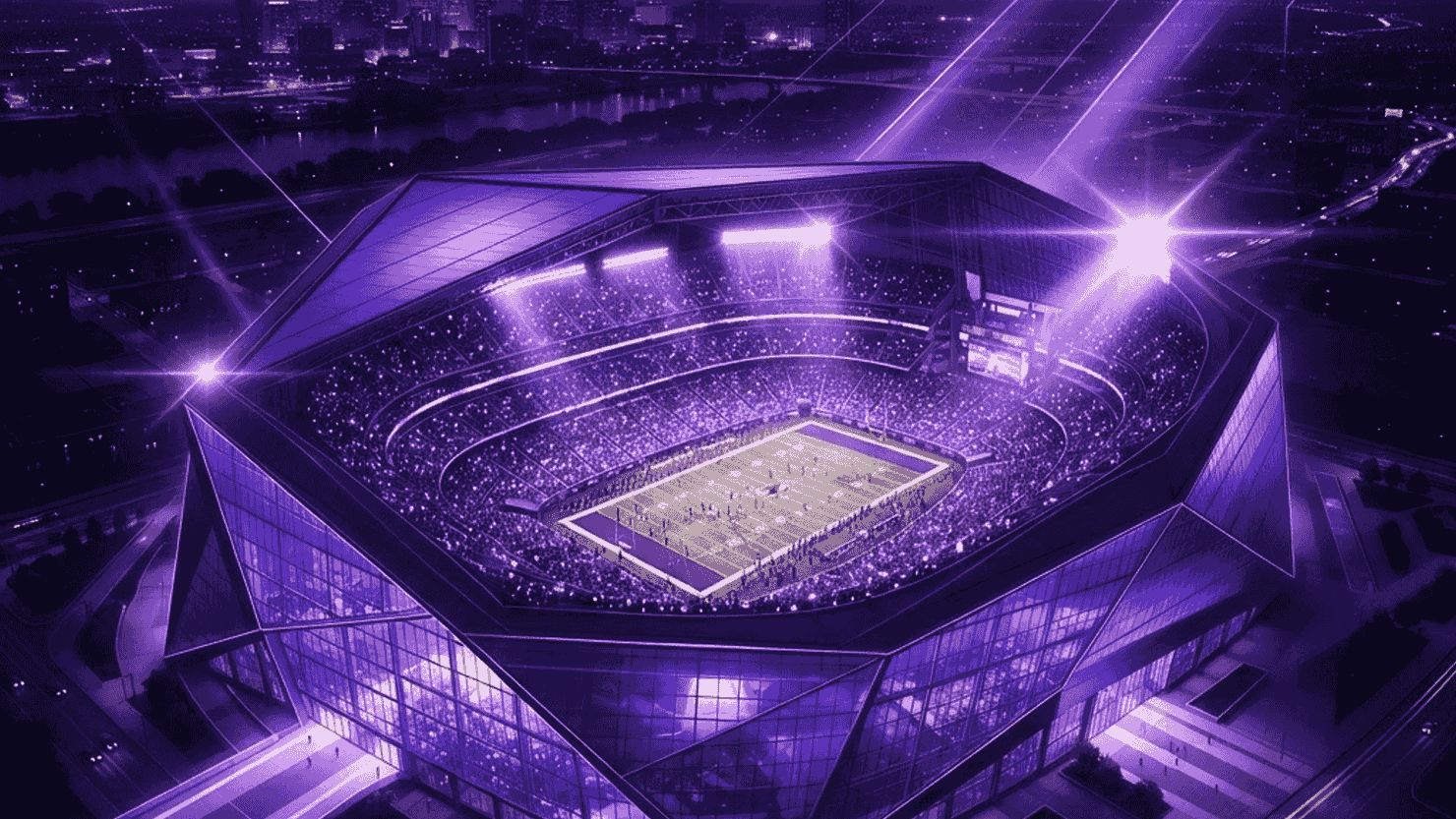
The defining sports building of modern Minneapolis, U.S. Bank Stadium replaced the old dome with a dramatically angular structure clad in dark zinc and featuring an enormous translucent roof made of a lightweight polymer that lets natural light flood the seating bowl. Massive pivoting glass doors open toward downtown on temperate days. Home to the Minnesota Vikings, the venue has hosted a Super Bowl, NCAA basketball and wrestling championships, major concerts, and marching band events, and its acoustics and interior daylight are frequently cited as among the best in the league.
2. Target Field
Widely praised as one of the finest ballparks built this century, Target Field is a masterclass in constrained urban design. Squeezed onto a compact downtown parcel wedged between rail corridors, it uses Minnesota limestone cladding, tight sightlines, and a plaza-level circulation strategy that makes the site feel far larger than it is. Home to the Minnesota Twins, the park is transit-connected, features skyline views from most of the bowl, and includes heated areas that make early April baseball genuinely watchable in a northern climate.
3. Target Center
Located in the heart of downtown Minneapolis and connected to the skyway network, Target Center is the home of the Minnesota Timberwolves and Minnesota Lynx. Extensive renovation modernized concourses, seating, hospitality areas, and the exterior facade while preserving the venue's central location. Its green roof was among the largest in the country when installed and remains a notable sustainability feature.
4. Huntington Bank Stadium
The University of Minnesota football stadium returned Golden Gophers football to campus after decades indoors. The horseshoe design opens toward the Minneapolis skyline, and the brick and stone detailing echoes historic campus architecture. Open-air Big Ten football in November is a distinctly Minnesotan experience, and the venue also hosts outdoor hockey, soccer, and large campus events.
5. Xcel Energy Center
Just across the river in Saint Paul, this arena is consistently ranked among the best hockey buildings in North America. Home to the Minnesota Wild, it features excellent sightlines, steep seating geometry that keeps crowd noise concentrated, and a design that reflects the state's hockey heritage. It is also a premier concert stop for touring arena acts.
6. Allianz Field
A purpose-built soccer stadium in the Midway area, Allianz Field is wrapped in a translucent skin of polymer panels that glow at night and shift color with the occasion. Home to Minnesota United FC, it includes a safe-standing supporters section, a compact bowl that traps sound, and a design intentionally optimized for atmosphere rather than sheer capacity.
7. Williams Arena
Known affectionately as The Barn, Williams Arena is one of the most distinctive college basketball venues in the country thanks to its elevated playing floor, a feature almost unique in Division I basketball. The building dates to the twenties and delivers a raucous, historic environment for Gophers basketball that no modern arena can replicate.
8. 3M Arena at Mariucci
The university hockey home is regarded as one of the best college rinks in the nation, with a wide seating bowl, strong sightlines, and an environment built around Minnesota's deep hockey culture. The arena has been central to the development of countless players who advanced to professional careers.
9. CHS Field
This modern minor league ballpark anchors the Lowertown district in Saint Paul and is celebrated for sustainability features, community integration, and a relaxed sightline-rich seating plan. It demonstrates how a smaller venue can drive neighborhood revitalization while offering an affordable family baseball experience.
10. Sea Foam Stadium
Located on the former Parade Stadium grounds tradition in the metro's amateur sports landscape, this venue serves collegiate and community football and soccer. Venues at this tier matter because they carry the enormous volume of youth, high school, and small college competition that feeds the region's sports pipeline.
Design Innovation Driven by Climate
Cold-weather engineering is the through line across these buildings. Translucent roofing at U.S. Bank Stadium and the illuminated skin at Allianz Field both address the same problem: how to keep interiors visually bright and psychologically warm during a long gray season. Radiant heating in seating areas, snow-melt systems in plazas, wind-shielding concourse geometry, and roof structures engineered for substantial snow loads are standard rather than exceptional here. Several venues also lead on sustainability, with green roofs, high-efficiency lighting, storm water management, and aggressive waste diversion programs.
The Fan Experience
Transit access is a genuine strength of the Minneapolis venue cluster. Light rail connects the downtown stadiums and arenas to the airport and to Saint Paul, and the downtown skyway network lets fans reach Target Center largely indoors in January. Surrounding neighborhoods including the North Loop, Warehouse District, and Downtown East have developed dense restaurant and brewery scenes that turn a game into a full evening. Modern concession programs increasingly feature local vendors rather than generic stadium fare, which has become a meaningful part of the regional identity.
Final Thoughts
The stadiums of Minneapolis and the greater Twin Cities tell a story about a city that refuses to let winter limit its ambitions. Whether you want the scale and spectacle of an NFL Sunday, the intimacy of a downtown ballpark in July, or the raw noise of a college gym with an elevated floor, the metro delivers venues that rank among the best in the country and reflect a genuine civic investment in gathering together.