
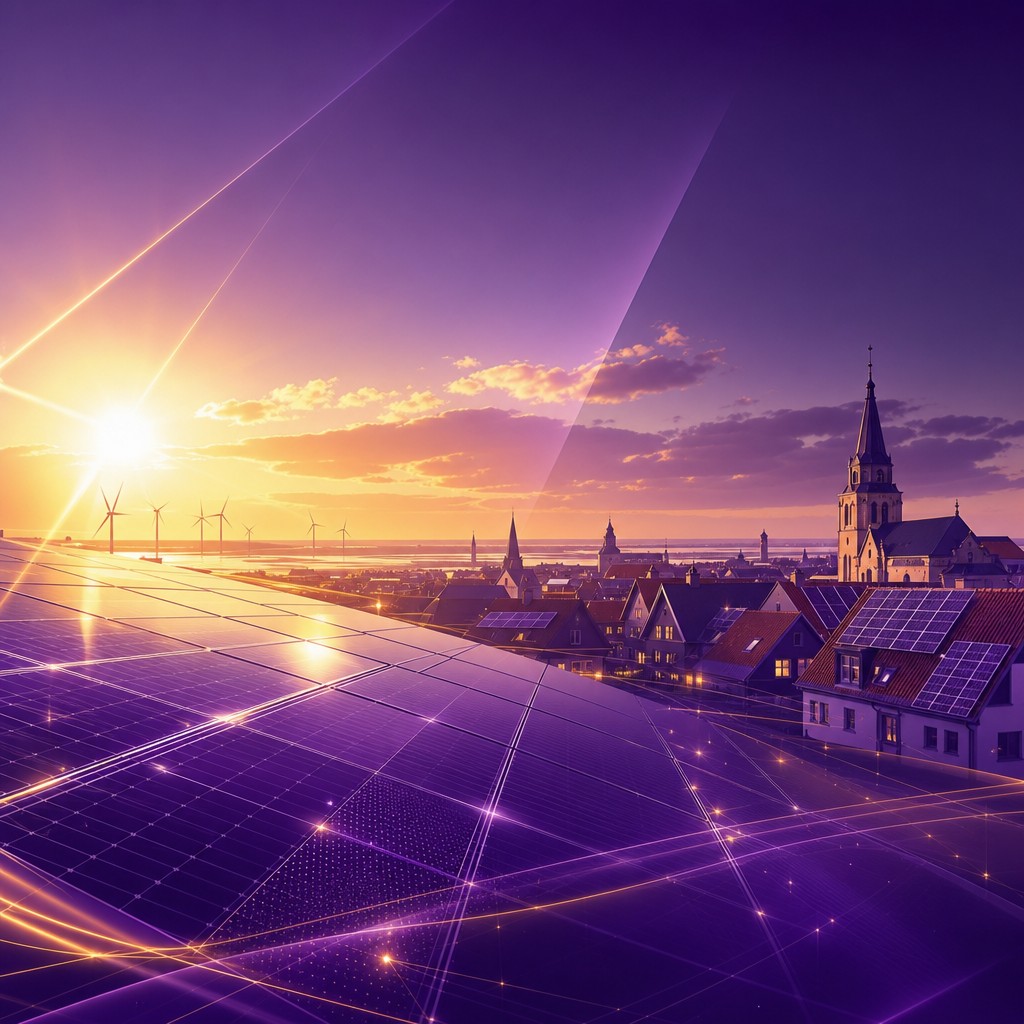
Solar Power in a Wind-Famous Nation
Denmark is renowned for its leadership in wind energy, yet solar power is becoming an increasingly important pillar of its clean energy mix. Despite its northern latitude and modest sunshine compared with southern Europe, Denmark has discovered that solar technology performs reliably in its climate, especially during the long daylight hours of summer. Falling panel costs, supportive policy, and growing corporate demand for green electricity have triggered a solar boom. A new generation of companies is now developing everything from vast solar parks to residential rooftop installations, complementing the country's wind resources beautifully.
Why Solar Complements Danish Wind
One of the most compelling reasons for Denmark's solar expansion is its natural synergy with wind. Wind generation tends to peak in autumn and winter, while solar output is strongest in spring and summer. Together they create a more balanced and reliable supply of renewable electricity throughout the year. This complementarity reduces the need for fossil-fuel backup and helps stabilise the grid. As a result, developers and utilities increasingly pursue hybrid projects that combine wind, solar, and storage on the same site, maximising efficiency and land use.
Leading Solar Energy Companies
Better Energy is one of the most influential solar developers in Denmark, specialising in large-scale solar parks built without public subsidies. The company partners with corporations seeking long-term renewable power purchase agreements, demonstrating that solar can compete on price alone. Its projects span Denmark and other European markets, making it a regional leader.
European Energy, while active across renewables, has built an extensive solar portfolio and integrates solar generation with its power-to-x ambitions. Obton is a major investor and developer focused on solar assets, channelling capital into projects across multiple countries and offering investment opportunities in the asset class.
GreenGo Energy develops large solar and energy park projects, often combining generation with hydrogen production. SunEnergy and similar installers serve commercial and residential customers with rooftop photovoltaic systems, while Wirsol and EWII contribute to project development and green retail supply. Companies such as Nordic Solar manage operational solar plants as long-term investments, and local cooperatives increasingly install community solar to share benefits among residents. Together these organisations cover the full value chain, from manufacturing partnerships and development to installation, operation, and financing.
Types of Solar Solutions
Solar companies in Denmark deliver a diverse range of solutions. Utility-scale solar parks, often spanning many hectares of agricultural or marginal land, feed large volumes of clean electricity directly into the grid. These projects increasingly incorporate measures to protect biodiversity, such as grazing sheep among the panels and planting wildflowers to support pollinators, blending energy production with environmental stewardship.
Commercial rooftop systems allow businesses to generate their own power, reduce energy bills, and demonstrate sustainability credentials. Residential installations give households greater energy independence and protection against price volatility. Increasingly, solar is paired with battery storage and electric vehicle charging, creating integrated home and business energy systems. Floating solar on lakes and reservoirs is also emerging as an innovative way to use water surfaces efficiently.
The Role of Policy and Investment
Denmark's solar surge is underpinned by a maturing market environment. As technology costs have plummeted, many projects now proceed on a fully commercial basis through corporate power purchase agreements, where large companies commit to buying solar electricity over long periods. This model provides developers with revenue certainty and gives corporations a credible path to meeting climate targets.
Investment funds and pension providers view operational solar parks as attractive, stable assets, channelling significant capital into the sector. Meanwhile, the broader European push for energy security and decarbonisation strengthens demand. Danish municipalities play a part too, designating land for solar development and streamlining permitting where appropriate. This combination of private investment and public facilitation accelerates deployment.
Innovation and Sustainability
Danish solar companies are not content simply to install panels. Many focus on innovation in project design, grid integration, and circularity. Efforts to recycle panels at the end of their life, minimise land impact, and combine solar with agriculture, known as agrivoltaics, reflect the country's holistic sustainability ethos. Digital monitoring and predictive maintenance maximise output and extend the life of installations.
The integration of solar with power-to-x is particularly exciting. Surplus summer sunshine can be converted into green hydrogen or e-fuels, storing renewable energy for use when the sun is not shining. This positions solar as a key contributor not only to electricity but to the decarbonisation of transport and industry.
The Bright Future of Danish Solar
Solar energy in Denmark has moved from a niche technology to a mainstream pillar of the energy system. The companies leading this charge are proving that even in a northern climate, solar can be reliable, affordable, and complementary to wind. As Denmark pushes towards climate neutrality, expect continued growth in solar parks, rooftop systems, hybrid projects, and storage. For businesses, investors, and households alike, the country's solar pioneers offer practical, sustainable solutions. In a nation already synonymous with clean energy, solar is ensuring that Denmark's green future shines even brighter.