
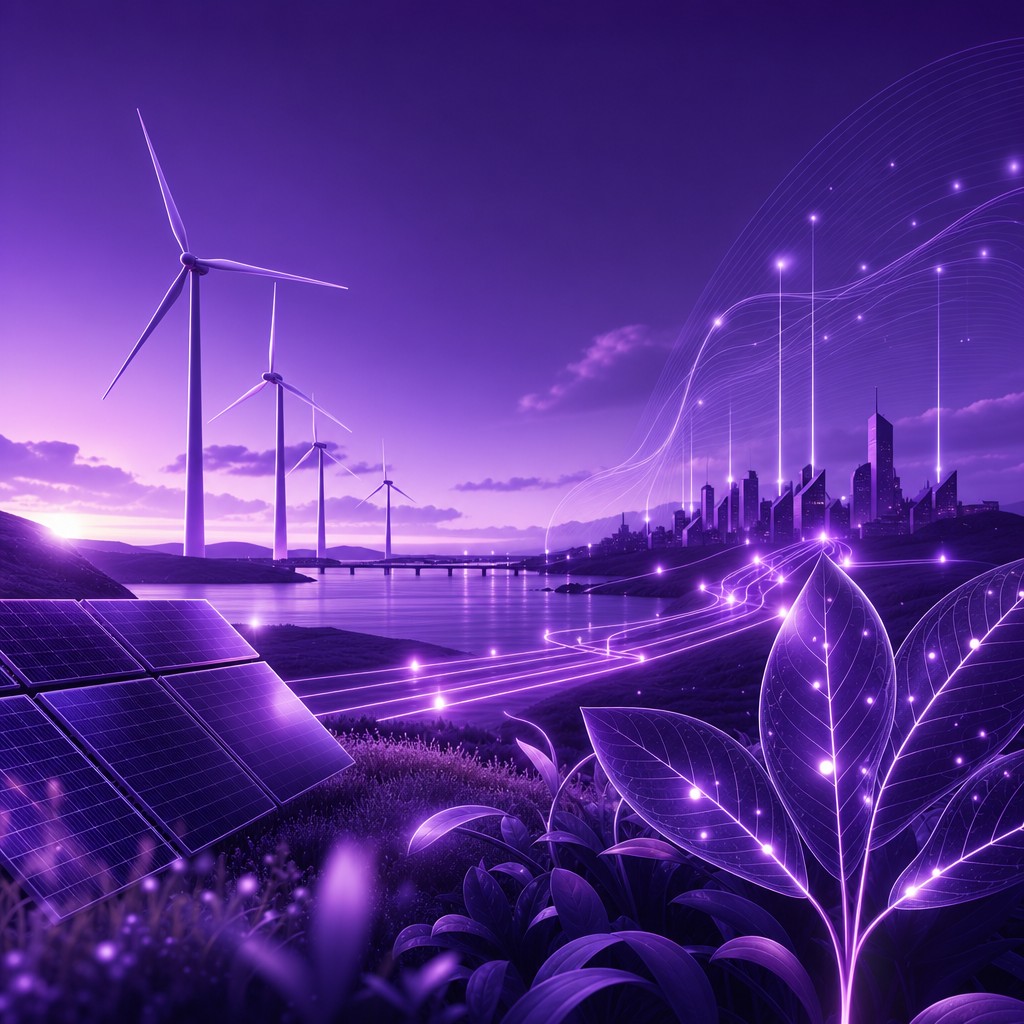
Denmark's Green Energy Leadership
Few countries can match Denmark's commitment to renewable energy. Decades of consistent policy, public support, and industrial innovation have transformed this small Nordic nation into a global benchmark for the green transition. Renewables now supply a remarkable share of Danish electricity, and the country has set ambitious targets to become climate neutral. Behind this success stands a cluster of world-class companies whose technologies and expertise are exported across the globe. These organisations are not only powering Denmark but also helping nations everywhere decarbonise their economies.
The Foundations of Danish Renewables
Denmark's renewable journey began in earnest after the oil crises of the 1970s, when the country resolved to reduce its dependence on imported fossil fuels. Early investment in wind power proved prescient, creating an industrial base that would later dominate global markets. Strong collaboration between government, research institutions, and private enterprise produced a virtuous cycle of innovation. Today, Denmark's energy clusters around Copenhagen, Aarhus, and the Jutland peninsula are recognised internationally for engineering excellence and sustainable thinking.
Leading Renewable Energy Companies
Orsted stands at the forefront of Denmark's renewable sector. Once a fossil-fuel-based utility, the company underwent a dramatic transformation to become one of the world's largest developers of offshore wind power. Orsted now builds and operates wind farms across Europe, Asia, and the Americas, embodying the principle that even legacy energy firms can reinvent themselves around sustainability.
Vestas Wind Systems is another Danish giant, ranking among the largest wind turbine manufacturers on the planet. With installations in dozens of countries, Vestas drives continuous improvements in turbine efficiency, reliability, and cost. Its leadership has helped make wind one of the cheapest sources of new electricity worldwide.
European Energy is a fast-growing developer of solar and wind projects as well as power-to-x technologies that convert renewable electricity into green hydrogen and e-fuels. Andel and Norlys, large cooperatively owned energy groups, invest heavily in green generation and distribution. Better Energy specialises in large-scale solar parks designed to deliver subsidy-free clean power. Companies such as Eurowind Energy develop and operate diversified renewable portfolios, while Topsoe contributes cutting-edge catalyst and electrolysis technology essential for green hydrogen production. Stiesdal, founded by a wind energy pioneer, innovates in offshore foundations, hydrogen, and energy storage, and Wind Estate manages wind assets across the country.
Technologies Driving the Transition
The breadth of technology developed by Danish companies is striking. Offshore wind remains the crown jewel, with floating turbine concepts extending generation into deeper waters. Onshore wind continues to mature, while utility-scale solar parks are expanding rapidly across Danish farmland and industrial sites. Increasingly, attention is turning to power-to-x, a family of technologies that uses surplus renewable electricity to produce hydrogen, ammonia, and synthetic fuels for hard-to-electrify sectors such as shipping, aviation, and heavy industry.
Energy storage and smart grid management are equally vital. As variable wind and solar supply grows, Danish firms invest in batteries, district heating integration, and digital control systems that balance the grid in real time. This systems-level thinking, treating energy as an interconnected whole, is a hallmark of the Danish approach.
Economic and Environmental Impact
The renewable sector is a cornerstone of the Danish economy. It supports tens of thousands of skilled jobs, generates substantial export revenue, and attracts foreign investment. Danish expertise in project development, manufacturing, and operations is sought worldwide, making green energy a defining national industry. Environmentally, the shift to renewables has sharply reduced carbon emissions and improved air quality, while positioning Denmark to meet its legally binding climate goals.
Importantly, the transition has been achieved with broad public backing. Community ownership models, where citizens hold shares in local wind and solar projects, have fostered acceptance and shared the economic benefits widely. This inclusive approach offers lessons for other nations seeking to build support for clean energy.
Challenges on the Road Ahead
Denmark's renewable leaders still face significant challenges. Integrating ever-larger volumes of variable generation requires continued investment in grid infrastructure, interconnection with neighbouring countries, and flexible demand. Scaling power-to-x technologies to commercial viability demands substantial capital and supportive regulation. Global competition in turbine manufacturing is intense, pressuring margins and prompting constant innovation.
Supply chain resilience, permitting timelines, and the availability of skilled labour also shape the sector's trajectory. Yet Danish companies have repeatedly demonstrated an ability to adapt, collaborate, and lead, suggesting these obstacles will spur rather than stall progress.
A Model for the World
Denmark's renewable energy companies offer a compelling example of how vision, policy, and enterprise can combine to reshape an entire energy system. From the towering offshore wind farms of Orsted to the advanced turbines of Vestas and the hydrogen ambitions of European Energy and Topsoe, these organisations are writing the playbook for a sustainable future. As the world races to decarbonise, Denmark's green champions will remain at the centre of the action, proving that clean energy is not only environmentally necessary but also commercially powerful and globally influential.