
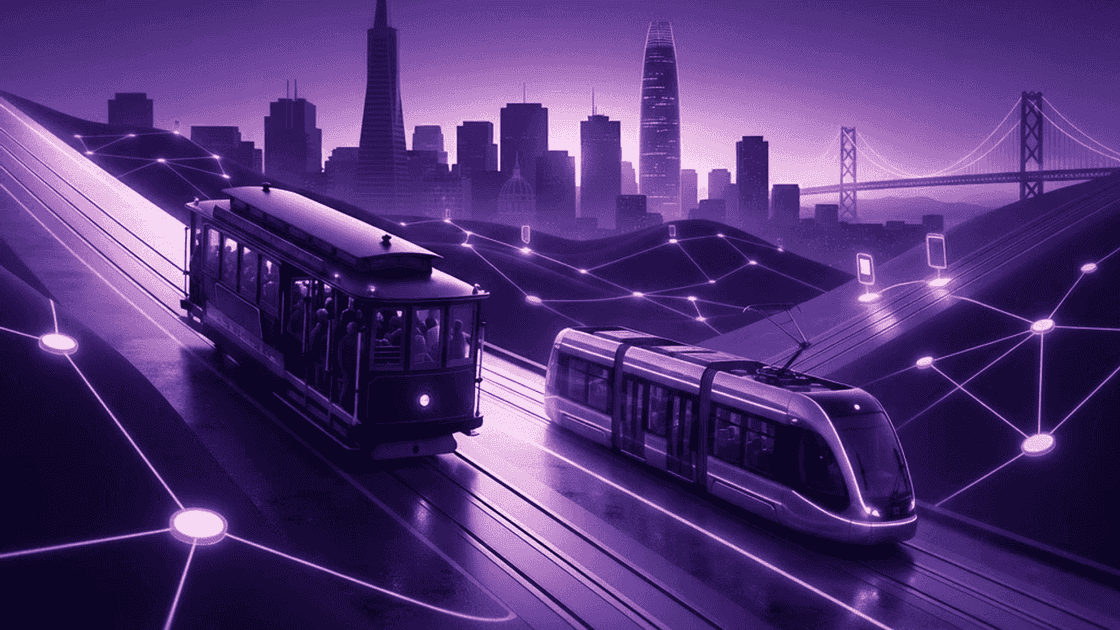
A City Built for Public Transit
San Francisco is one of the most transit-friendly cities in the United States, with a remarkable share of residents relying on public transportation for their daily commutes. Dense neighborhoods, limited parking, and a strong environmental ethos have all contributed to a culture that embraces buses, trains, ferries, and even historic cable cars. For residents and visitors alike, understanding the region's public transit options is key to navigating the city efficiently and affordably.
The Bay Area's public transit landscape is a patchwork of interconnected agencies, each serving different corridors and communities. Below, we explore ten of the best public transit services connecting San Francisco.
Core City Systems
San Francisco Municipal Railway (Muni) is the workhorse of city transit, operating buses, light-rail Metro lines, historic streetcars, and cable cars. Its comprehensive coverage makes it the primary way most residents get around San Francisco.
Bay Area Rapid Transit (BART) provides fast regional rail connecting San Francisco to the East Bay, Peninsula, and the airport. Frequent service and wide reach make it essential for commuters traveling across the region.
Caltrain links San Francisco with the Peninsula and Silicon Valley, serving tech workers and commuters with newly electrified, modern service.
Regional Connectors
Golden Gate Transit connects the city with Marin and Sonoma counties by bus, offering scenic and reliable service across the Golden Gate Bridge.
SamTrans serves San Mateo County, providing bus connections that link the Peninsula with San Francisco and complement rail service.
AC Transit operates extensive bus service in the East Bay, with transbay routes carrying commuters directly into San Francisco.
Ferries and Water Transit
San Francisco Bay Ferry, operated by WETA, offers a scenic and efficient alternative to bridges and highways, connecting the city with Oakland, Alameda, Vallejo, and other waterfront communities.
Golden Gate Ferry links San Francisco with Marin County destinations like Sausalito and Larkspur, blending stunning bay views with practical commuting.
Specialized and Historic Services
The San Francisco Cable Car System is both a functioning transit line and a world-famous historic landmark, climbing the city's steepest hills and delighting riders with its vintage charm.
Paratransit Services (SF Access), coordinated through SFMTA, provide vital accessible transportation for riders with disabilities, ensuring the transit network serves everyone in the community.
Making the Most of Public Transit
Navigating the Bay Area's many transit agencies is easier than ever thanks to the Clipper card, a single fare payment system accepted across nearly all operators. This integration allows riders to seamlessly transfer between Muni, BART, ferries, and regional buses. Real-time arrival information, available through official apps and third-party tools, helps riders plan trips and minimize waiting.
When choosing among transit options, consider factors like speed, frequency, and comfort. BART and Caltrain excel for longer regional trips, while Muni is ideal for getting around within the city. Ferries offer a relaxing, scenic commute, and cable cars provide a uniquely San Franciscan experience. Accessibility, safety, and cleanliness continue to be areas of ongoing investment across all agencies.
The Future of Bay Area Transit
Public transit in San Francisco is evolving to meet the demands of a changing region. Fleet electrification, service integration, and infrastructure upgrades are all underway, aimed at making transit cleaner, faster, and more reliable. Efforts to coordinate schedules and simplify fares across agencies promise a more seamless rider experience. As the region pursues ambitious climate goals, public transit remains central to reducing car dependence and emissions.
Making the Most of the Transit Network
The key to navigating San Francisco's public transit lies in understanding how its many agencies connect. The regional Clipper card is accepted across nearly every system, allowing riders to transfer seamlessly between Muni buses, BART trains, ferries, and regional bus lines without buying separate tickets. Learning the major transfer hubs, such as the connections between BART and Muni downtown or the ferry terminals along the waterfront, can dramatically reduce travel time on longer journeys.
Technology has made transit easier than ever to use. Official apps and trip planners provide real-time arrival information, service alerts, and route suggestions that help riders avoid delays and crowded vehicles. Visitors should take advantage of day passes and visitor cards that offer unlimited rides at a predictable cost, while regular commuters benefit from monthly passes and employer transit benefits. Riding during off-peak hours offers a more comfortable experience, and combining modes, such as taking BART to a station and finishing the trip by bus or bike, unlocks efficient door-to-door travel. With a little familiarity, San Francisco's public transit network becomes an affordable, sustainable, and genuinely enjoyable way to explore the region.
Final Thoughts
San Francisco's public transit network is a rich and interconnected system that reflects the city's commitment to accessibility and sustainability. From the ubiquitous Muni buses and BART trains to the scenic ferries and iconic cable cars, riders have a wealth of options for getting where they need to go. By taking advantage of the Clipper card and real-time trip planning, residents and visitors can move through the Bay Area efficiently while contributing to a greener future.