
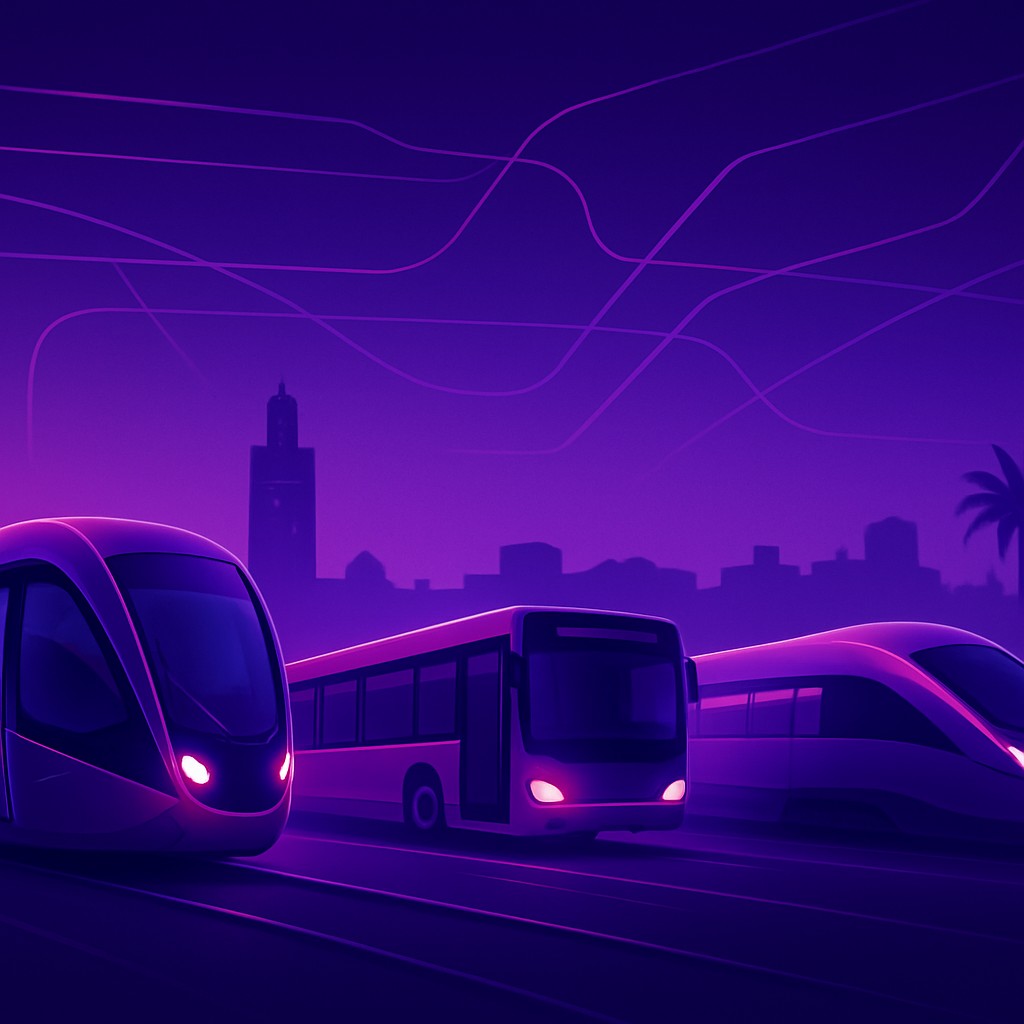
Moving a Nation Forward
Public transit is the lifeblood of Morocco's cities and the connective tissue between its regions. Over the past two decades, the country has invested heavily in modernizing its transport infrastructure, from Africa's first high-speed rail line to sleek urban tramways. These services keep millions of people moving daily, supporting commerce, tourism, and everyday life while offering affordable and increasingly sustainable mobility.
For residents and visitors alike, understanding the best transit options makes navigating Morocco far easier. The leading services combine reliability, affordability, comfort, and growing digital convenience.
What Defines Quality Public Transit
The best transit systems balance frequency, coverage, comfort, and price. Reliable schedules allow commuters to plan their days with confidence, while extensive coverage ensures that even peripheral neighborhoods stay connected. Cleanliness, safety, and accessibility for all passengers further define a quality service.
Integration is increasingly important. Systems that allow easy transfers between trains, trams, and buses, supported by unified ticketing and mobile apps, deliver a smoother experience and encourage more people to choose public transport over private cars.
Leading Public Transit Services in Morocco
ONCF, the national railway operator, anchors the country's transit landscape. Its Al Boraq high-speed line between Tangier and Casablanca is a flagship achievement, the first of its kind in Africa, slashing travel times and offering world-class comfort. ONCF's broader rail network connects major cities reliably and affordably.
Casa Tramway has transformed mobility in Casablanca, providing clean, frequent, and modern service across the metropolis. Similarly, Rabat-Salé Tramway links the capital region with efficient electric trams that have eased congestion and improved air quality.
CTM, Morocco's oldest and most respected intercity bus company, offers comfortable long-distance coaches connecting nearly every corner of the country with dependable schedules.
Buses and Urban Networks
Supratours, affiliated with ONCF, complements rail with coach services that reach destinations beyond the train network, popular with travelers heading to southern cities. Alsa, an international operator, runs modern urban bus networks in cities such as Marrakech, Agadir, and Rabat, bringing improved fleets and service standards.
City Bus and Mdina Bus have historically served Casablanca's commuters, while Karama Bus contributes to regional coverage. Grand Taxis, the shared intercity taxi system, round out the list as an informal yet indispensable mode connecting towns and rural areas where fixed-route services are limited.
Trends Shaping Public Transit
Electrification and sustainability are central themes, with tram networks and cleaner bus fleets reducing urban emissions. The success of Al Boraq has spurred discussions about extending high-speed rail to Marrakech and beyond, signaling continued ambition.
Digital ticketing and mobile journey planning are improving convenience, while integration between modes is gradually creating more seamless travel experiences. As Moroccan cities grow, investment in mass transit is expected to intensify, prioritizing efficiency and environmental responsibility.
Getting the Most from Moroccan Transit
For intercity travel, high-speed and conventional rail offer the best blend of speed and comfort, while reputable coach operators provide affordable reach to smaller destinations. Within cities, trams deliver clean and reliable mobility, supplemented by expanding bus networks. Planning routes in advance and using official apps where available makes journeys smoother. The services highlighted here represent the backbone of Morocco's impressive and ever-improving public transport system.