
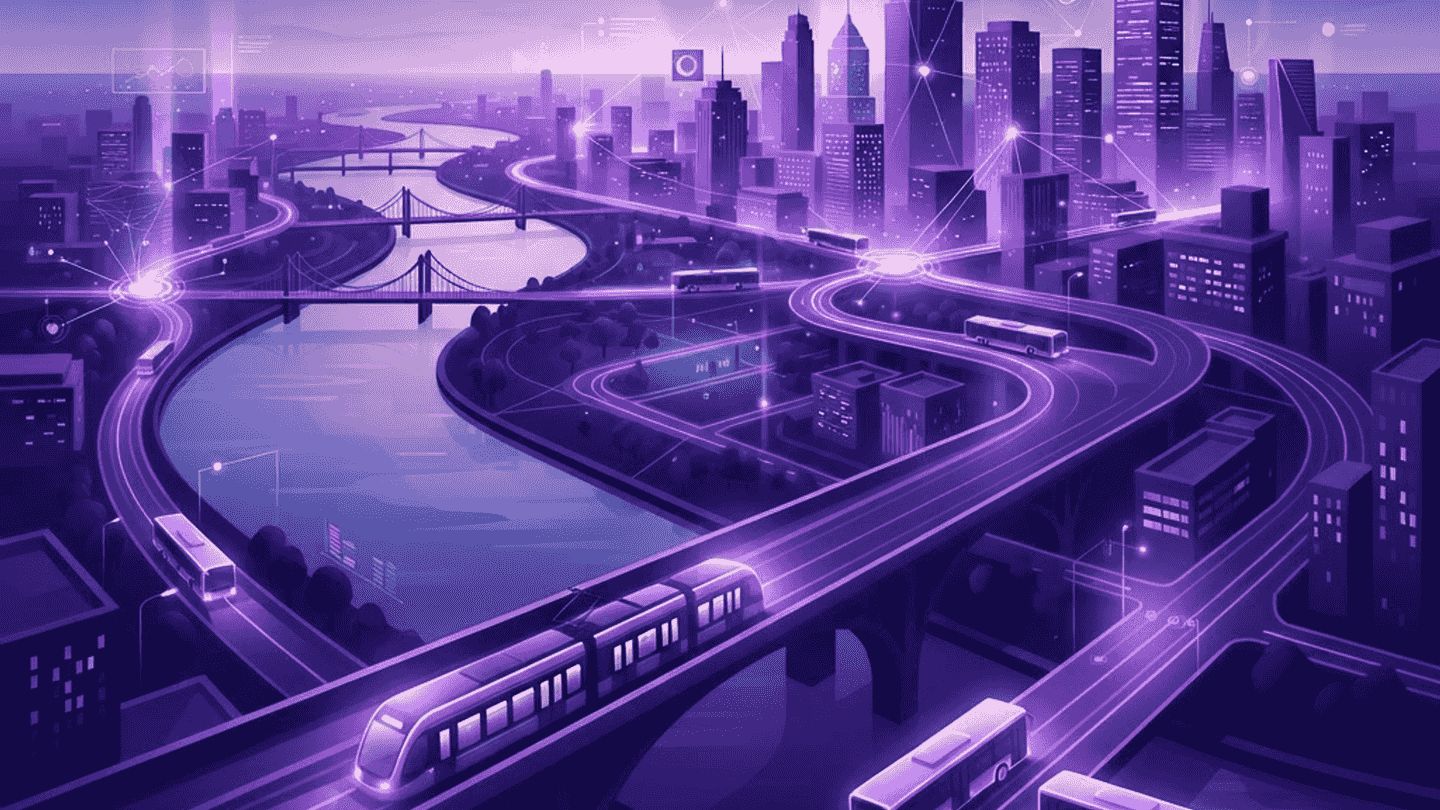
Why Public Transit Matters in St. Paul
St. Paul is a capital city built on river bluffs, historic neighborhoods and a street grid that predates the automobile. That history makes public transit unusually important here. Downtown parking is limited, Grand Avenue and University Avenue see heavy congestion during peak hours, and Minnesota winters can turn a short drive into a stressful commute. For tens of thousands of residents, transit is not a fallback option but the primary way they get to work, class, medical appointments and events at the Xcel Energy Center or CHS Field.
The city also benefits from being one half of a genuinely regional transit system. A rider boarding in Frogtown can reach downtown Minneapolis, the Mall of America or MSP International Airport without ever needing a car. Understanding which service fits which trip is the difference between a smooth commute and a frustrating one.
How St. Paul Transit Is Structured
Transit in St. Paul operates in layers. Light rail forms the spine, high-frequency local buses handle neighborhood coverage, express routes connect suburban park-and-rides to downtown, and demand-response services fill gaps for riders who cannot use fixed routes. Layered on top are university shuttles, regional intercity coaches and Amtrak service from the restored Union Depot, which has become one of the most impressive multimodal hubs in the Midwest.
Top 10 Best Public Transit Services in St. Paul
1. Metro Transit Green Line
The Green Line light rail is the backbone of east-west travel, linking Union Depot in Lowertown with downtown Minneapolis along University Avenue. Trains run frequently from early morning until after midnight, with stations serving the State Capitol, Rondo, Midway and the University of Minnesota. Level boarding, heated shelters and real-time arrival displays make it the most accessible service in the city, and it is the clear first choice for commuters, students and event traffic.
2. Metro Transit Local Bus Network
Metro Transit's local routes provide the dense neighborhood coverage that light rail cannot. High-ridership corridors such as Route 21 on Selby and Lake, Route 74 through Highland Park and Route 64 across the East Side operate every 10 to 20 minutes for much of the day. The network's strength is reach: nearly every St. Paul neighborhood sits within a reasonable walk of a stop.
3. Metro Transit A Line Rapid Bus
The A Line brings light rail conveniences to bus travel along Snelling Avenue, connecting Rosedale, Hamline University, the Green Line and the 46th Street Blue Line station. Riders pay before boarding, use all doors and enjoy fewer stops, which cuts travel time noticeably compared with a traditional local route. It is a strong option for cross-town trips that avoid downtown entirely.
4. Metro Transit Express Routes
Express service is designed for suburban commuters heading into the capital. Routes originating in Woodbury, Maplewood, Roseville and the eastern suburbs use freeway running and park-and-ride facilities to deliver riders downtown quickly. Coach-style seating and limited stops make these buses popular with professionals who want productive commute time.
5. Metro Mobility
Metro Mobility is the regional ADA paratransit service, providing shared door-through-door rides for certified customers who cannot use fixed-route transit. Trips are scheduled in advance, vehicles are lift-equipped and drivers receive specialized training. For many older adults and residents with disabilities in St. Paul, it is an essential lifeline.
6. Transit Link Dial-a-Ride
Transit Link serves trips that regular routes do not, particularly in lower-density areas near the city's edges and in neighboring communities. Riders reserve a shared van ride, often connecting to a light rail station or major bus corridor. It is a practical bridge service for medical appointments and workplaces in industrial areas.
7. Metro Transit Blue Line Connection
While the Blue Line does not run through St. Paul directly, it functions as a critical extension of local travel. A single fare with a transfer takes riders from the Green Line to MSP Airport terminals and the Mall of America, which is why many residents consider airport access one of the strongest features of Twin Cities transit.
8. University of Minnesota Campus Connector
The Campus Connector links the Saint Paul agricultural campus with the East and West Bank campuses in Minneapolis at no charge to riders. Students, faculty and staff use it heavily throughout the academic year, and its frequency during class hours rivals commercial transit routes.
9. Jefferson Lines Regional Coach Service
Operating from Union Depot, Jefferson Lines connects St. Paul to Duluth, Rochester, Sioux Falls and dozens of smaller Midwestern communities. Reserved seating, luggage capacity and onboard amenities make it the practical choice for regional travel without a car, particularly for students traveling home on breaks.
10. Amtrak Empire Builder at Union Depot
Amtrak's Empire Builder route serves St. Paul daily, heading west toward Seattle and Portland and east toward Milwaukee and Chicago. The Union Depot boarding experience, with its restored waiting room and concourse, is genuinely pleasant, and the service integrates directly with the Green Line for onward local travel.
Trends Shaping Transit in the Capital City
Several developments are reshaping how St. Paul moves. Bus rapid transit continues to expand, bringing faster boarding and better shelters to more corridors. Fare technology has shifted toward contactless payment and mobile validation, reducing the friction of occasional ridership. Agencies are also investing in real-time data, so arrival predictions are more trustworthy than they were a decade ago.
Winter resilience is another priority. Heated shelters, improved snow clearance at stops and better coordination between plow operations and route detours all matter enormously in a city where January commutes happen in the dark and the cold.
How to Choose the Right Service
Match the service to the trip rather than defaulting to one option. For downtown-to-downtown travel, the Green Line is almost always fastest. For neighborhood errands, a local route usually wins. Suburban commuters should compare express routes against park-and-ride plus light rail, since the answer changes with traffic conditions. Riders with mobility needs should begin the Metro Mobility certification process early, because approval takes time.
Consider total cost as well. Monthly passes, employer transit benefits and reduced fares for students, seniors and low-income riders can make transit dramatically cheaper than driving once parking and winter vehicle wear are factored in.
Final Thoughts
St. Paul's transit network is one of the strongest assets of living in the capital city. Between light rail, rapid bus, express coaches, paratransit and intercity rail, most residents can build a genuinely car-light routine. The riders who get the most out of the system are the ones who learn two or three services well and treat them as complementary tools rather than competing choices.