
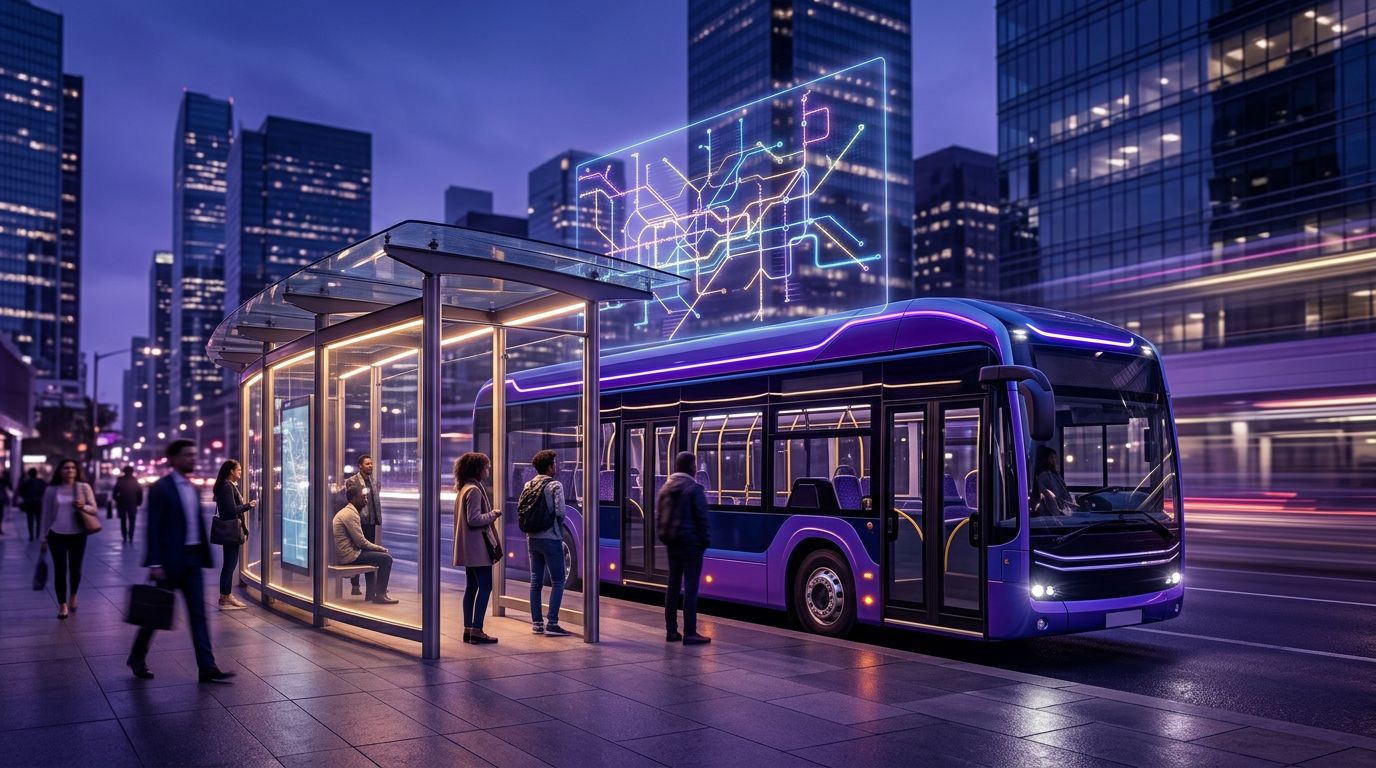
Public Transportation in Cedar Rapids
For many residents, public transit is more than a convenience; it's a lifeline. Buses connect workers to jobs, students to classes, and seniors to healthcare and shopping. Cedar Rapids has a growing network of fixed-route buses, paratransit services, vanpools, and regional connections that make car-free and car-light living increasingly practical. Transit also supports the city's sustainability goals by reducing traffic and emissions.
We evaluated these services based on coverage, frequency, affordability, accessibility, and rider experience.
Benefits of Using Public Transit
Public transit saves riders money on fuel, parking, and vehicle maintenance. It reduces stress for commuters who would otherwise navigate traffic and winter roads. Accessible buses and paratransit services ensure that people of all abilities can participate in community life. Transit also helps the city manage growth by moving more people efficiently along busy corridors.
The Top 10 Public Transit Services
1. Cedar Rapids Transit
Cedar Rapids Transit is the city's primary public transportation provider. Its fixed routes serve major employment centers, shopping districts, colleges, and hospitals, with low fares and discounts for seniors, students, and riders with disabilities.
2. Linn County LIFTS
Linn County LIFTS provides paratransit service for individuals unable to use fixed-route buses, along with rural transportation throughout the county. Its door-to-door service is essential for many older adults.
3. Neighborhood Transportation Service
Neighborhood Transportation Service offers rides during evenings and late nights when regular buses aren't running. Its focus on workforce transportation helps residents keep jobs with non-traditional schedules.
4. Iowa City Transit
Iowa City Transit connects riders throughout Iowa City and links with regional services. For Cedar Rapids residents who work or study in Iowa City, it's an important part of the Corridor's transit network.
5. CAMBUS
CAMBUS is the University of Iowa's fare-free campus bus system. It serves students, faculty, and visitors and is one of the busiest transit systems in the state.
6. Coralville Transit
Coralville Transit links Coralville neighborhoods with Iowa City and the university area. Coordinated schedules help riders transfer smoothly between Corridor systems.
7. Corridor Rideshare
Corridor Rideshare, supported by regional planners, helps commuters form carpools and vanpools. It's a cost-effective solution for workers traveling longer distances from smaller towns into Cedar Rapids.
8. Burlington Trailways
Burlington Trailways provides intercity bus service that connects Cedar Rapids with other Iowa and Midwest cities. It extends public mobility beyond the metro area for travelers without cars.
9. Greyhound Lines
Greyhound connects Eastern Iowa to a national network of destinations. Its affordable fares make long-distance travel accessible for students and budget travelers.
10. East Central Iowa Regional Transit
Regional transit programs coordinated through the East Central Iowa Council of Governments serve surrounding counties, providing demand-response rides to medical appointments, jobs, and services for rural residents.
Public Transit Trends
Transit agencies across Iowa are modernizing with real-time bus tracking apps, mobile ticketing, and contactless payment. Some systems are exploring zero-fare models to increase ridership and equity. Electric buses are gaining attention as agencies pursue cleaner fleets. Regional planners also continue to study improved connections between Cedar Rapids and Iowa City, recognizing the Corridor as a unified economic region.
Tips for New Riders
Download your transit system's tracking app to see real-time arrivals. Plan trips around the Ground Transportation Center downtown, where many routes connect. Ask about reduced fare programs if you're a senior, student, veteran, or person with a disability. During winter, dress warmly and arrive at stops a few minutes early, as snow can affect schedules.
Frequently Asked Questions
How much does it cost to ride Cedar Rapids Transit?
Fares are affordable, with reduced rates for seniors, students, and riders with disabilities. Day passes and monthly passes provide additional savings for frequent riders.
Can I bring a bike on the bus?
Many Cedar Rapids Transit buses are equipped with front-mounted bike racks, making it easy to combine cycling with transit. Load and unload your bike carefully and let the driver know when you are retrieving it.
How do I qualify for paratransit?
Riders whose disabilities prevent them from using fixed-route buses can apply for paratransit eligibility through Linn County LIFTS. The process typically involves an application and assessment.
Is there transit between Cedar Rapids and Iowa City?
Intercity carriers and commuter options like vanpools help connect the two cities. Regional leaders continue to study improved Corridor transit, reflecting growing demand for convenient connections between the two communities.
What transit options exist late at night?
When fixed routes end in the evening, Neighborhood Transportation Service and ride-hailing apps help fill the gap, particularly for workers commuting to and from late shifts.
Final Thoughts
Cedar Rapids offers a capable and growing public transit network. Cedar Rapids Transit anchors local service, paratransit and nonprofit programs fill vital gaps, and Corridor partners extend mobility toward Iowa City. Whether you're commuting to work, heading to class, or simply looking to save money, public transit provides an affordable and sustainable way to get around.