
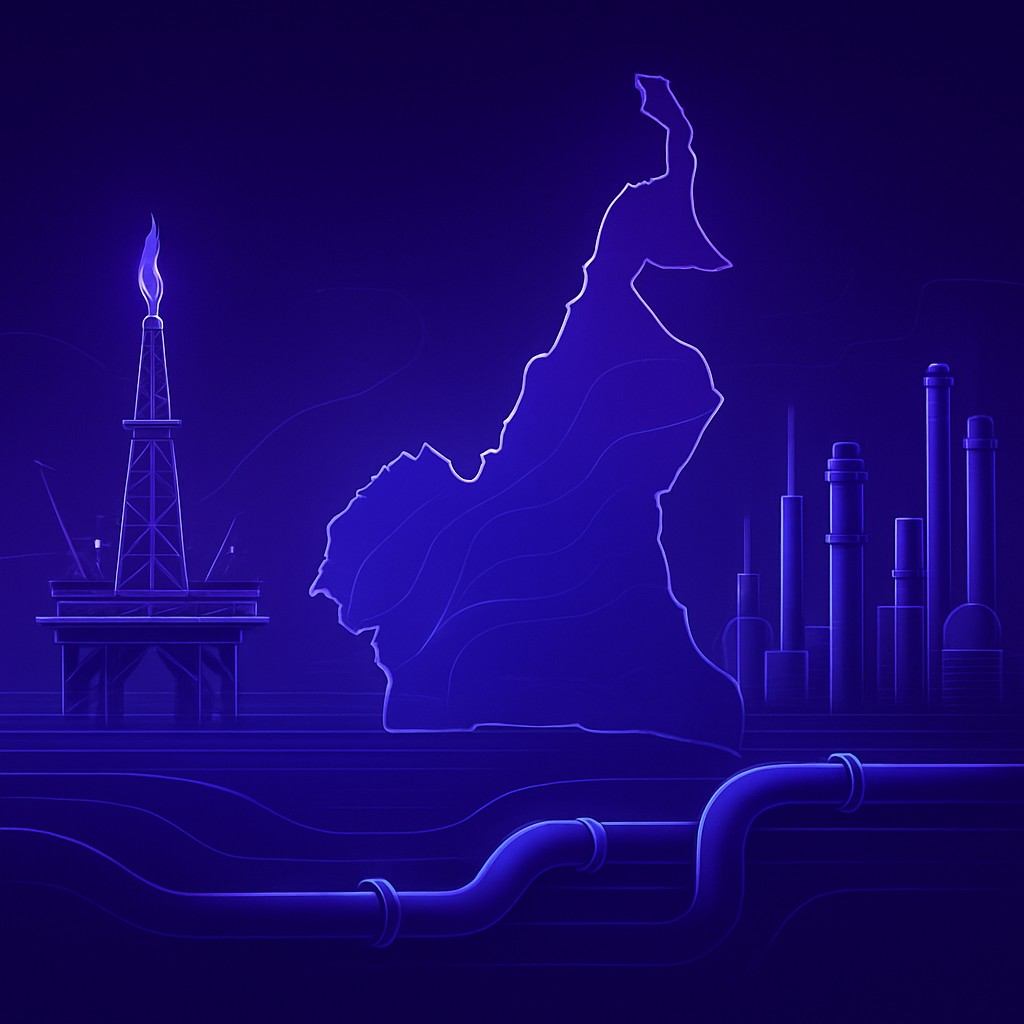
The Role of Oil and Gas in Cameroon's Economy
Oil and gas have long played a central role in Cameroon's economy, contributing significantly to government revenue, exports, and energy supply. The country has been an oil producer for decades, with reserves located primarily in the Rio del Rey and Douala/Kribi-Campo basins. Natural gas resources are also gaining importance, supporting power generation and industrial development.
The best oil and gas companies in Cameroon operate across the value chain, from exploration and production to refining and distribution. Their activities sustain a major industry that influences the broader economy and shapes the country's energy landscape.
Characteristics of Leading Companies
Top oil and gas companies in Cameroon combine technical expertise, financial strength, and operational excellence. The sector demands sophisticated technology, skilled professionals, and substantial investment, so leading companies bring all of these to bear. Their ability to manage complex operations safely and efficiently is essential to success.
Commitment to safety, environmental responsibility, and regulatory compliance is also a defining feature. The finest companies adhere to high standards in their operations, working to minimize environmental impact and protect the communities in which they operate. Strong governance and transparency further distinguish industry leaders.
Activities Across the Value Chain
Oil and gas companies in Cameroon engage in a range of activities. Upstream operations involve exploration and production, where companies search for and extract oil and natural gas from onshore and offshore fields. This requires advanced geological analysis, drilling expertise, and careful project management.
Midstream and downstream activities include the transportation, refining, and distribution of petroleum products. Some companies operate refining facilities, while others focus on supplying fuel and gas to consumers and industries. Natural gas is increasingly used for electricity generation, linking the sector to the country's broader energy goals.
Economic and Social Impact
The oil and gas industry has a profound impact on Cameroon. It generates substantial revenue for the government, supporting public services and infrastructure. The sector also creates employment, both directly and through related industries, contributing to economic development and skills growth.
Leading companies often invest in local communities through social programs, education, and infrastructure projects. Responsible operators recognize their role in supporting sustainable development and work to balance economic benefits with environmental and social responsibilities.
Trends and Future Directions
The oil and gas sector in Cameroon is evolving amid global shifts in energy. There is growing emphasis on natural gas as a cleaner fuel for power generation and industry. At the same time, the global transition toward renewable energy is prompting companies to consider diversification and more sustainable practices.
Technological advances are improving exploration and production efficiency, while regulatory developments continue to shape the operating environment. Companies that adapt to these trends, embrace responsible practices, and invest in the future will remain leaders in a changing industry.
Conclusion
The leading oil and gas companies in Cameroon are key drivers of the nation's economy, supplying energy, generating revenue, and creating opportunities. Through expertise, responsible operations, and investment in communities, they sustain a vital industry. As the energy landscape evolves, these companies will continue to play an important role while navigating the path toward a more sustainable future.