
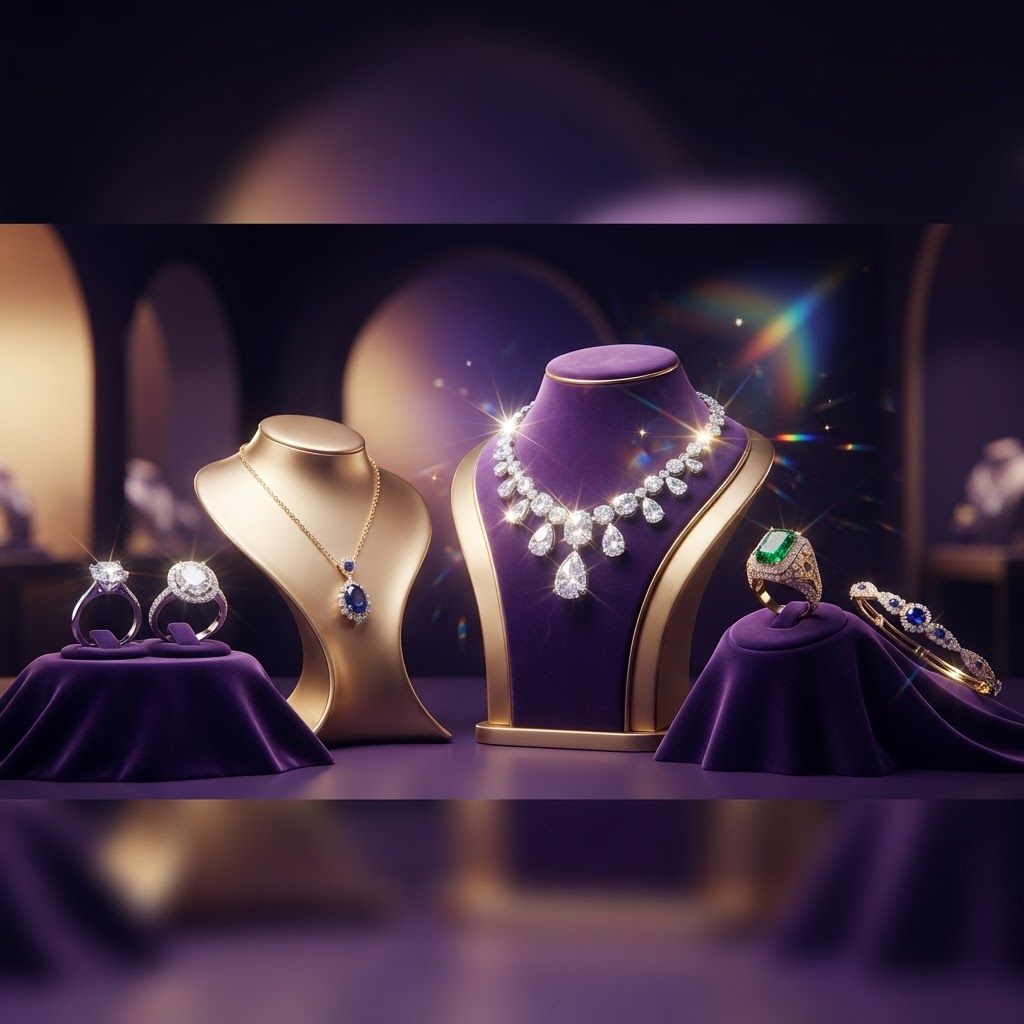
A Uniquely Diverse Jewelry Market
Few Bay Area cities have a jewelry market as varied as Fremont's. The city supports mainstream American fine jewelry retail, a substantial market for high-karat gold and traditional bridal sets, contemporary minimalist labels favored by younger professionals, and a strong lab-grown diamond segment driven by value-conscious, technically literate shoppers. Walk through the city's shopping districts and you will find engagement ring showrooms, heritage gold houses and design-led boutiques within a short distance of one another.
That diversity is a genuine advantage for buyers, but it also means comparison shopping requires understanding different quality frameworks. A 22-karat gold bridal set is evaluated on entirely different criteria than a platinum solitaire, and lab-grown diamonds carry a different value proposition than mined stones. Knowing which framework applies to your purchase is the first step toward buying confidently.
How to Judge Jewelry Quality
For diamonds and colored stones, independent certification matters more than any in-store assurance. Reports from respected gemological laboratories document carat weight, cut quality, color and clarity, and cut quality in particular has the largest visible effect on brilliance. For gold, karat purity and hallmarking are the core measures, and reputable sellers disclose both clearly along with making charges where applicable.
Craftsmanship deserves equal attention. Examine prong security, solder joints, clasp mechanisms and finishing on the underside of settings, which is where shortcuts show. Ask about warranty coverage, resizing policies, complimentary cleaning and inspection schedules, and buyback or exchange terms. For high-value purchases, appraisal documentation for insurance is essential.
1. Tiffany and Co.
Tiffany remains the benchmark for classic fine jewelry, known for exacting cut standards, distinctive settings and a service experience built around long-term ownership. Its engagement rings carry proprietary cut and finish specifications, and its silver collections offer an accessible entry point into the brand. Pricing reflects the brand premium, but resale recognition and craftsmanship consistency are genuinely strong.
2. Cartier
Cartier occupies the luxury tier with an emphasis on design heritage. Its bracelets, rings and watches are recognizable without relying on ostentation, and the brand's goldsmithing quality is exceptional. For milestone purchases where design identity matters as much as stone quality, Cartier holds its position better than most alternatives, and its pieces are frequently treated as heirlooms rather than seasonal purchases.
3. Malabar Gold and Diamonds
Malabar has become an important name for Fremont's South Asian community, offering high-karat gold jewelry, traditional bridal sets and diamond collections. Its strength lies in the breadth of regional design traditions represented and in transparent pricing on gold rates and making charges. Bridal buyers particularly value the availability of complete sets rather than assembling pieces from multiple sources.
4. Tanishq
Tanishq built its reputation on purity assurance and standardized quality control in a market where those attributes were historically inconsistent. Its collections range from everyday lightweight gold to elaborate bridal jewelry, and its exchange and buyback policies are clearly documented. For families making significant gold purchases, that institutional reliability carries real weight.
5. Blue Nile
Blue Nile pioneered transparent online diamond buying, and its influence on the broader market has been substantial. Buyers can compare certified stones by specification and price, then select settings independently, which often delivers better value than traditional retail. For Fremont's engineering-minded shoppers who prefer data-driven decisions, the searchable inventory model suits their approach well.
6. Brilliant Earth
Brilliant Earth combines lab-grown and responsibly sourced mined diamonds with detailed origin information. Its appeal in the Bay Area is significant because ethical sourcing and environmental considerations weigh heavily with local buyers. The brand also offers a wide range of settings and provides clear certification, making it a strong option for engagement purchases with sustainability priorities.
7. Pandora
Pandora serves the accessible everyday and gifting segment effectively. Its charm bracelets, rings and stackable pieces allow gradual collection building, which suits gift-giving occasions and younger buyers. Materials are typically sterling silver and gold-plated finishes rather than fine gold, so expectations should be set accordingly, but design variety and affordability are genuine strengths.
8. Mejuri
Mejuri targets the contemporary everyday fine jewelry market with solid gold and vermeil pieces designed for daily wear rather than special occasions. Minimalist hoops, chains and stacking rings dominate the range, and pricing sits deliberately between fashion jewelry and traditional fine jewelry. For professionals building a wearable collection gradually, it hits a practical middle ground.
9. David Yurman
David Yurman is recognized for its distinctive cable motif and substantial, sculptural designs. The brand appeals to buyers who want recognizable craftsmanship in bracelets, rings and men's jewelry, a segment that receives less attention than bridal but has grown considerably. Construction quality is robust, which suits pieces intended for regular rather than occasional wear.
10. Shane Co.
Shane Co. rounds out the list as a family-owned jeweler known for direct sourcing and educational, low-pressure sales. Complimentary cleaning and inspection services, straightforward warranty terms and a broad selection of engagement and anniversary pieces make it a practical choice for buyers who want in-person guidance without aggressive upselling.
Lab-Grown Versus Mined Diamonds
Lab-grown diamonds have shifted the market substantially, and Fremont buyers have embraced them faster than many regions. Chemically and optically, lab-grown diamonds are diamonds, and certification grades them on the same criteria. The practical differences are price, where lab-grown offers significantly larger stones for the same budget, and resale value, which remains weaker and less predictable. Buyers prioritizing size and current enjoyment often prefer lab-grown, while those focused on long-term store of value may still prefer certified mined stones.
Practical Buying Advice
Set a total budget before viewing inventory, and include setting, sizing, insurance and future maintenance in that number. Prioritize cut quality over carat weight, since a well-cut smaller stone consistently outperforms a poorly cut larger one visually. Verify certification independently rather than relying on in-house grading. For gold purchases, confirm the current rate and understand how making charges are calculated before committing.
Finally, consider lifestyle. High settings snag on clothing and equipment, softer stones scratch, and delicate chains break with daily wear. Choosing pieces suited to how you actually live prevents disappointment and repair costs.
Final Thoughts
Fremont's jewelry market rewards informed buyers. Tiffany and Cartier anchor traditional luxury, Malabar and Tanishq serve heritage gold and bridal traditions with real depth, Blue Nile and Brilliant Earth lead on transparency and value, and Mejuri and Pandora cover accessible everyday wear. Decide first what the piece is for and how often it will be worn, then evaluate certification and craftsmanship with a critical eye.