
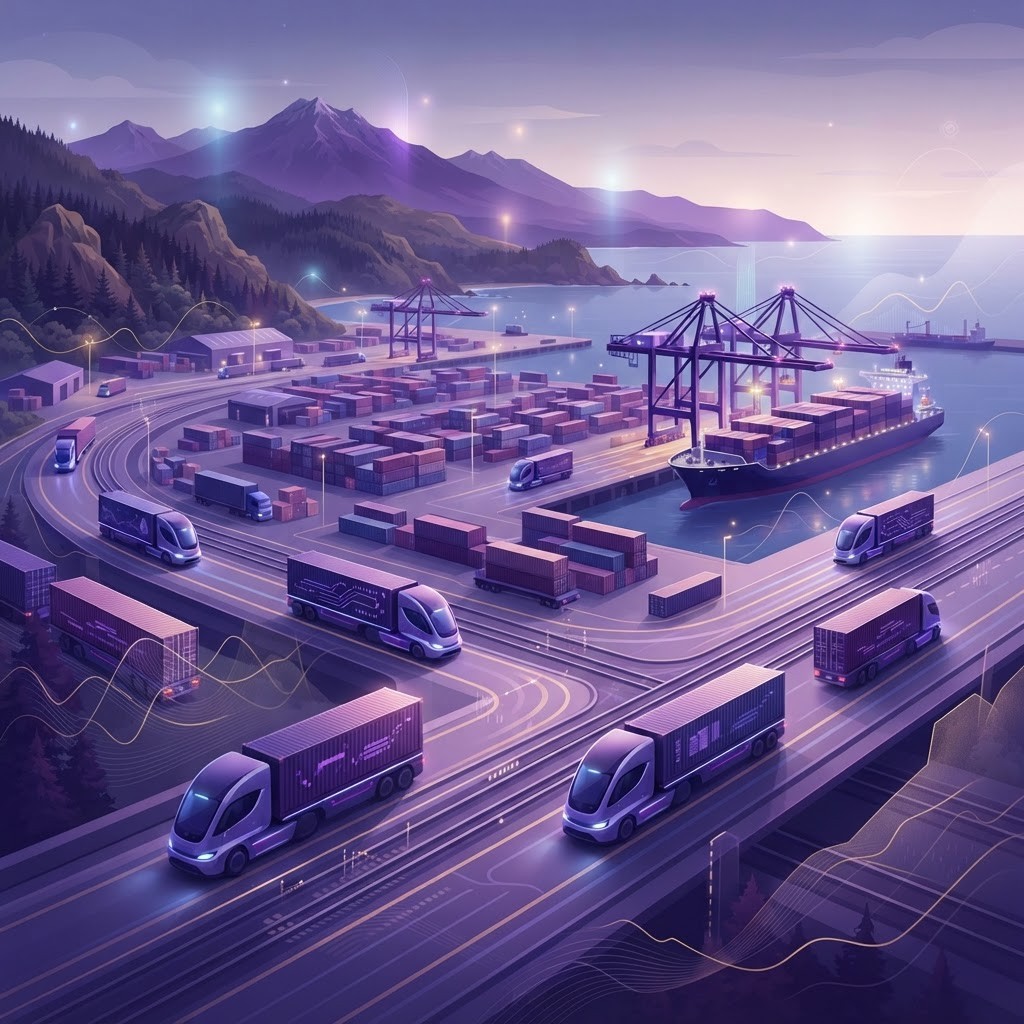
The Backbone of New Zealand's Economy
Freight transport is fundamental to New Zealand's economy, connecting producers, businesses, and consumers across a geographically dispersed nation. As an island country reliant on both domestic distribution and international trade, efficient freight services are essential for moving everything from agricultural exports and manufactured goods to everyday consumer products. The freight industry spans road, rail, sea, and air, with specialist companies ensuring goods reach their destinations reliably and on time.
The sector has grown increasingly sophisticated, driven by rising demand, e-commerce growth, and the need for sustainable, efficient supply chains. Leading freight companies combine extensive networks, modern fleets, and advanced technology to meet the diverse needs of businesses throughout the country and beyond.
Major Road Freight Operators
Road freight forms the largest component of New Zealand's domestic goods movement, given the flexibility and reach it offers. Mainfreight is arguably the most prominent name in the industry, a homegrown company that has grown into a global logistics powerhouse while retaining strong domestic roots. Known for its reliability, customer focus, and distinctive culture, Mainfreight provides comprehensive freight and supply chain solutions across the country.
Other major road freight operators include TIL Freighting (formerly Toll networks in New Zealand) and Freightways, the latter operating well-known brands such as New Zealand Couriers and Post Haste. These companies maintain extensive depot networks and modern vehicle fleets, enabling efficient distribution to urban centres and rural regions alike.
Rail and Intermodal Freight
Rail plays a vital role in moving bulk goods over long distances efficiently and sustainably. KiwiRail, the national rail operator, transports significant volumes of freight across the country and manages the interisland ferry service that links the North and South Islands. Rail freight is particularly valuable for heavy commodities such as coal, dairy products, timber, and containers, offering lower emissions per tonne than road transport.
Intermodal solutions, which combine rail and road, are increasingly popular as businesses seek to balance cost, efficiency, and environmental responsibility. By leveraging the strengths of each mode, freight companies can optimise long-haul movements while maintaining flexible last-mile delivery.
Sea and Air Freight Services
As a trading nation, New Zealand relies heavily on sea freight for international commerce. Major ports such as Ports of Auckland, Port of Tauranga, and Lyttelton Port handle vast quantities of imports and exports, supported by shipping lines and freight forwarders who coordinate the complex logistics of global trade. Port of Tauranga, in particular, has grown into the country's largest export port, playing a crucial role in the movement of goods.
Air freight, while smaller in volume, is essential for time-sensitive and high-value goods. Air New Zealand Cargo and various international carriers provide capacity for perishable exports, urgent shipments, and premium products, connecting New Zealand businesses to global markets with speed and reliability.
Technology and Efficiency
The freight industry has embraced technology to enhance efficiency and transparency. Advanced tracking systems, route optimisation software, and warehouse automation enable companies to deliver faster, more reliable services while reducing costs. Real-time visibility of shipments has become an expectation among business customers, and leading operators invest heavily in digital platforms to meet this demand.
Sustainability is also a growing priority. Freight companies are increasingly exploring cleaner fuels, electric vehicles, and modal shifts toward rail and coastal shipping to reduce their environmental impact. These efforts align with broader national goals around emissions reduction and responsible business practice.
Choosing the Right Freight Partner
Selecting a freight provider depends on the nature of the goods, delivery timeframes, and geographic requirements. Businesses shipping large volumes over long distances may benefit from operators with strong rail and intermodal capabilities, while those requiring rapid urban delivery might prioritise courier and road freight specialists. For exporters, partners with robust international networks and port connections are essential.
Reliability, coverage, and customer service are key considerations, as delays or damaged goods can have significant commercial consequences. Established companies with proven track records, transparent communication, and comprehensive service offerings provide the confidence businesses need to keep their supply chains running smoothly.
Final Thoughts
New Zealand's freight companies form the essential infrastructure that keeps the economy moving, connecting producers and consumers across land, sea, and air. From the global reach of Mainfreight to the national rail network of KiwiRail and the courier expertise of Freightways, these operators deliver the reliability and efficiency that modern commerce demands. As technology and sustainability reshape the industry, leading freight providers continue to adapt, ensuring New Zealand remains well connected both domestically and to the wider world.