
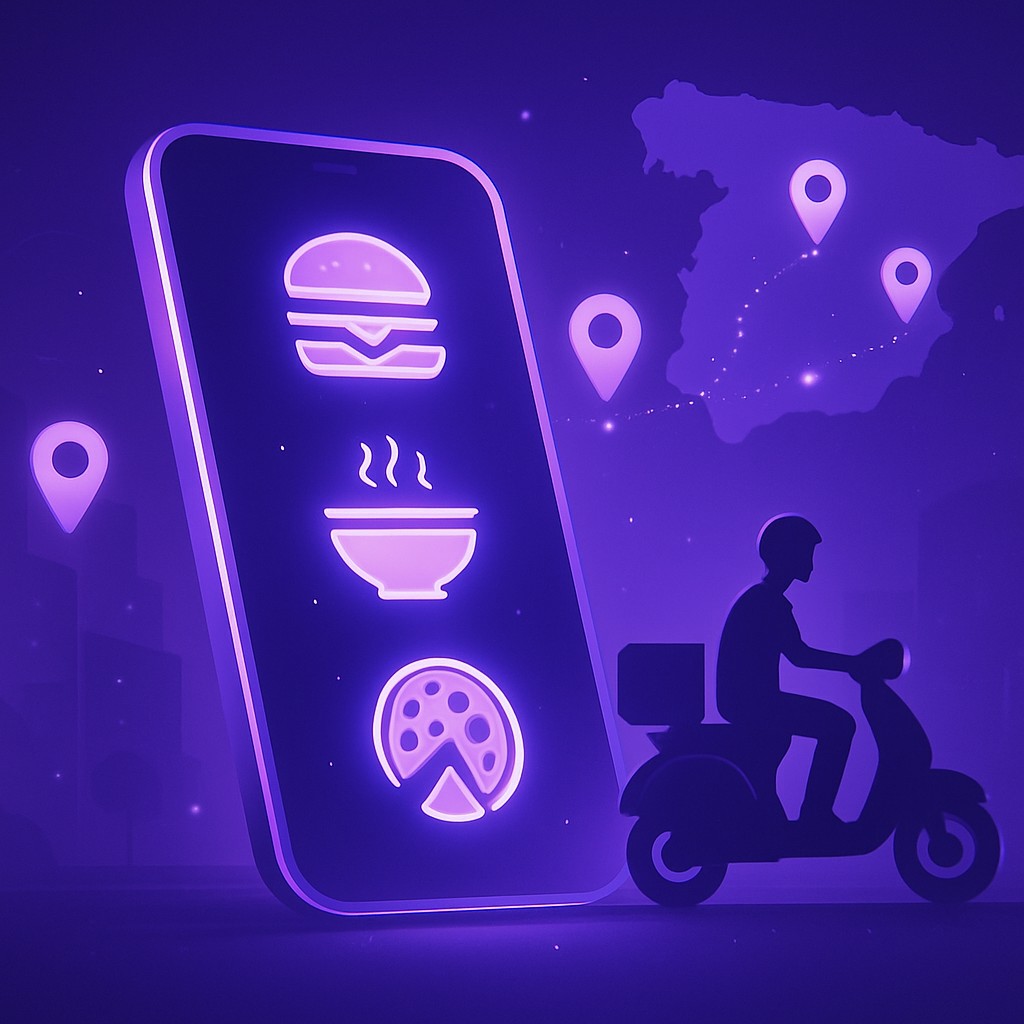
The Food Delivery Revolution in Spain
Over the past several years, food delivery apps have dramatically changed dining habits across Spain. What was once an occasional convenience has become an integral part of daily life for millions of people. Whether ordering lunch at the office, dinner at home, or groceries on a busy day, Spaniards increasingly rely on delivery platforms that connect them with restaurants, supermarkets, and local shops in just a few taps.
This rapid growth has been fueled by widespread smartphone adoption, urban density in cities like Madrid, Barcelona, and Valencia, and a culture that values both convenience and quality food. As competition intensifies, delivery apps continue to expand their offerings, improve speed, and enhance the overall customer experience.
How Food Delivery Apps Work
Food delivery apps serve as digital marketplaces connecting customers, restaurants, and delivery couriers. Users browse menus, place orders, and track deliveries in real time through intuitive mobile interfaces. The platforms handle payment processing, logistics, and customer support, while couriers transport orders quickly and efficiently. This seamless coordination has made ordering food easier and more reliable than ever.
Leading Food Delivery Apps in Spain
Glovo is a homegrown Spanish success story and one of the most popular delivery apps in the country, offering food, groceries, and a wide range of products through its versatile platform.
Just Eat is a major player in the Spanish market, connecting users with thousands of restaurants and known for its extensive selection and reliable service.
Uber Eats brings its global expertise to Spain, offering a broad range of restaurant options and a smooth, user-friendly ordering experience.
Deliveroo has built a strong presence by partnering with quality restaurants and emphasizing fast, dependable delivery.
El Tenedor (TheFork) delivery options complement its restaurant reservation focus, helping diners discover and enjoy meals conveniently.
Telepizza app serves loyal customers of the popular pizza chain, offering quick ordering and delivery of its signature products.
La Nevera Roja has historically been a notable name in Spanish food delivery, connecting users with local restaurants.
Domino's Pizza app provides a streamlined ordering experience for pizza lovers, complete with tracking and customization options.
Gorillas focuses on ultra-fast grocery delivery, bringing everyday essentials to customers in minutes within major cities.
Getir rounds out the list as a rapid delivery service specializing in groceries and convenience items delivered with impressive speed.
Trends Shaping Food Delivery
The food delivery sector in Spain continues to evolve rapidly. Quick-commerce, which focuses on delivering groceries and essentials in minutes, has grown significantly, expanding the scope of delivery beyond restaurant meals. Sustainability is becoming a priority, with platforms exploring eco-friendly packaging and greener delivery methods such as bicycles and electric vehicles.
Technology plays an increasingly important role as well. Apps use data and artificial intelligence to personalize recommendations, optimize delivery routes, and improve efficiency. The rise of cloud kitchens, which prepare food exclusively for delivery, reflects how the industry is adapting to changing consumer behavior. These developments point to a future where convenience, speed, and quality continue to improve.
Benefits of Using Food Delivery Apps
Food delivery apps offer clear advantages for both consumers and businesses. Customers enjoy the convenience of accessing a wide variety of cuisines without leaving home, along with features like real-time tracking and easy payment. Restaurants gain access to larger audiences and additional revenue streams, while couriers find flexible earning opportunities. For busy individuals and families, these apps save time and add valuable convenience to everyday life.
Choosing the Right Delivery App
With several options available, users can choose delivery apps based on factors such as restaurant selection, delivery speed, fees, and coverage area. Comparing platforms helps identify which offers the best options in a particular location. Many users keep multiple apps to maximize choice and take advantage of promotions. Reading reviews and exploring available features can help diners find the platform that best suits their needs.
Conclusion
Food delivery apps have become an essential part of modern life in Spain, transforming how people access meals and groceries. The platforms highlighted here lead the market with their convenience, variety, and reliability. As technology advances and consumer expectations rise, these apps will continue to innovate, making food delivery faster, greener, and more enjoyable for customers throughout Spain.