
Stockton's Quiet Rise as an Electronics Manufacturing Hub
Electronics manufacturing in Stockton rarely makes headlines the way Silicon Valley does, yet the city has developed a genuine niche. Located roughly eighty miles inland from the Bay Area, Stockton offers something the coastal technology corridor cannot: affordable industrial floor space, a deep pool of skilled technicians, and immediate access to Interstate 5, Highway 99, and the Port of Stockton. For companies building electronic assemblies rather than writing software, those advantages translate directly into lower unit costs and shorter lead times.
The result is a manufacturing community built around practical, application-driven electronics. Rather than chasing consumer gadget volumes, Stockton shops tend to specialize in industrial controls, agricultural sensing, motor drives, telemetry hardware, and ruggedized assemblies destined for warehouses, food processing plants, and irrigation systems across the San Joaquin Valley. It is unglamorous work that demands precision, traceability, and consistency.
What Electronics Manufacturing Looks Like in San Joaquin County
Most local operations fall into one of several categories. Electronic manufacturing services providers, often called EMS or contract manufacturers, handle printed circuit board assembly, cable harnessing, and box build integration for clients who design a product but do not own a factory. Original equipment manufacturers design and build their own branded hardware. A third group focuses on specialized subassemblies such as wiring harnesses, control panels, and enclosure integration.
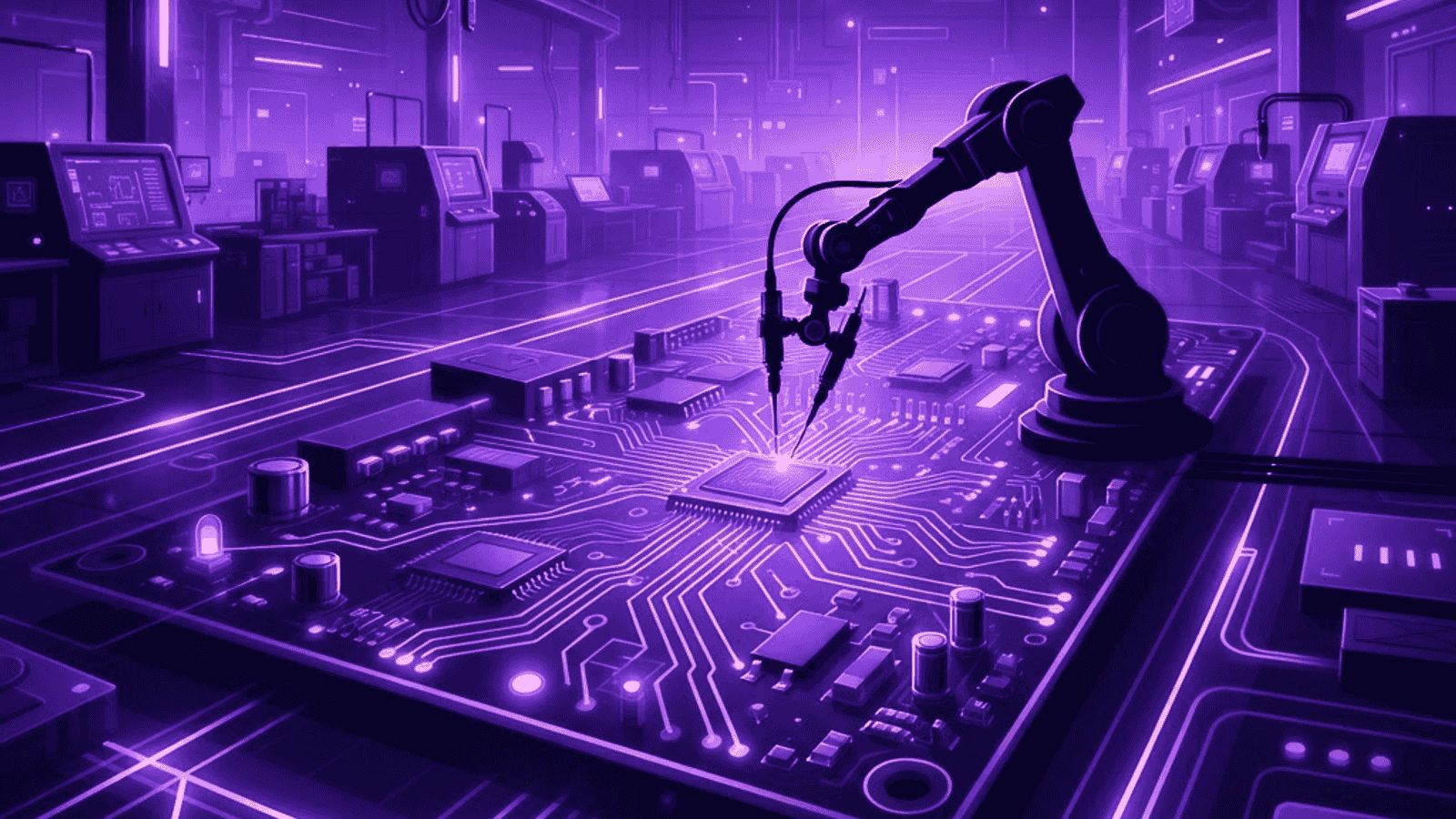
Surface mount technology has become the baseline expectation. A capable Stockton facility runs automated pick and place lines, reflow ovens with profiling capability, automated optical inspection, and increasingly X-ray inspection for ball grid array components. Through hole and hand soldering remain important for power electronics and legacy industrial products where robustness outweighs miniaturization.
Ten Notable Electronics Manufacturing Operations Serving Stockton
Pacific Circuit Assembly represents the classic full service contract manufacturer model in the region, combining surface mount lines with functional testing and low to medium volume production runs. Operations of this type appeal to hardware startups and established industrial brands that need engineering support alongside assembly capacity.
Valley Electronic Systems focuses on industrial control assemblies and custom control panels for food processing, warehousing, and water management customers. Its strength lies in understanding the environmental demands of Central Valley facilities, where heat, dust, and washdown conditions destroy poorly specified hardware.
Delta Instrumentation Works builds sensing and telemetry equipment for agricultural and water district applications. Soil moisture monitoring, flow measurement, and remote pump control represent recurring product families, all of which require weatherproof packaging and long field service life.
San Joaquin Electronics Group serves clients needing cable and wire harness manufacturing at scale, an often overlooked discipline that determines the reliability of nearly every industrial machine. Precision crimping, continuity testing, and documented build travelers distinguish serious harness houses from general assembly shops.
Stockton Precision Electronics emphasizes high reliability builds with rigorous documentation, appealing to customers in medical device, transportation, and defense adjacent markets where process control is contractually mandated.
Central Valley Power Electronics concentrates on motor drives, power conversion, and inverter assemblies. This specialization has grown alongside regional investment in solar generation, battery storage, and electric fleet equipment, all of which consume substantial power electronics.
Portside Technology Manufacturing leverages proximity to the Port of Stockton for import of components and export of finished goods, offering integrated supply chain and kitting services that reduce inventory burden for clients.
Bridgeway Assembly Solutions markets itself toward prototype and new product introduction work, helping engineering teams move from a working breadboard to a manufacturable design. Rapid turn prototype assembly and design for manufacturability reviews are its core value.
Cannery District Circuits occupies renovated industrial space in Stockton's older manufacturing corridor and serves regional OEMs needing mid volume board assembly without the overhead of large national providers.
Northgate Electronic Integration completes final box build, systems integration, and functional burn in testing, often finishing products that begin as boards elsewhere in the region. Integration specialists like this are essential to a healthy local supply chain.
How to Evaluate an Electronics Manufacturing Partner
Certifications provide the fastest signal of process maturity. ISO 9001 registration indicates a documented quality management system, while IPC-A-610 workmanship standards and J-STD-001 soldering certification demonstrate that operators are trained to industry criteria rather than internal habit. For medical or aerospace adjacent products, additional registrations become mandatory.
Testing capability deserves equal scrutiny. Automated optical inspection catches placement and solder defects, in circuit testing verifies electrical integrity, and functional testing confirms the assembly performs as designed. A manufacturer that can build but cannot test transfers risk directly to the customer.
Component sourcing has become a defining differentiator since global semiconductor shortages disrupted production across every industry. Ask how a prospective partner manages authorized distribution relationships, handles component obsolescence, documents alternate part approvals, and guards against counterfeit parts entering the supply stream.
Trends Reshaping Local Electronics Production
Reshoring continues to benefit inland California manufacturers. Companies burned by long ocean transit times and unpredictable overseas capacity increasingly value a factory they can visit in an afternoon. Stockton's cost structure makes it a realistic domestic alternative for products where labor content is moderate and responsiveness matters.
Automation is raising the ceiling on what mid sized shops can accomplish. Modern placement machines, automated inspection, and connected production monitoring allow a facility with modest headcount to deliver quality comparable to far larger operations. Meanwhile demand for electrification hardware, from charging infrastructure to battery management systems, has opened new product categories for shops willing to invest in power electronics expertise.
Environmental compliance also shapes the field. RoHS and REACH conformance, lead free process control, and responsible electronic waste handling are now routine expectations rather than premium features, particularly for clients selling into European markets.
Making the Right Choice for Your Product
The best electronics manufacturer for a given project depends heavily on volume, complexity, and regulatory exposure. A prototype needing three boards next week belongs with a quick turn specialist. An industrial control product shipping thousands of units annually belongs with a facility built around repeatable process control. High reliability applications justify paying for documentation rigor that would be wasteful elsewhere.
Request a facility tour, review sample build documentation, and ask for references in your specific industry. Manufacturers who welcome scrutiny and discuss their limitations candidly generally prove to be the most reliable long term partners. In Stockton's electronics community, that combination of technical capability and straightforward communication remains the clearest predictor of a successful manufacturing relationship.