
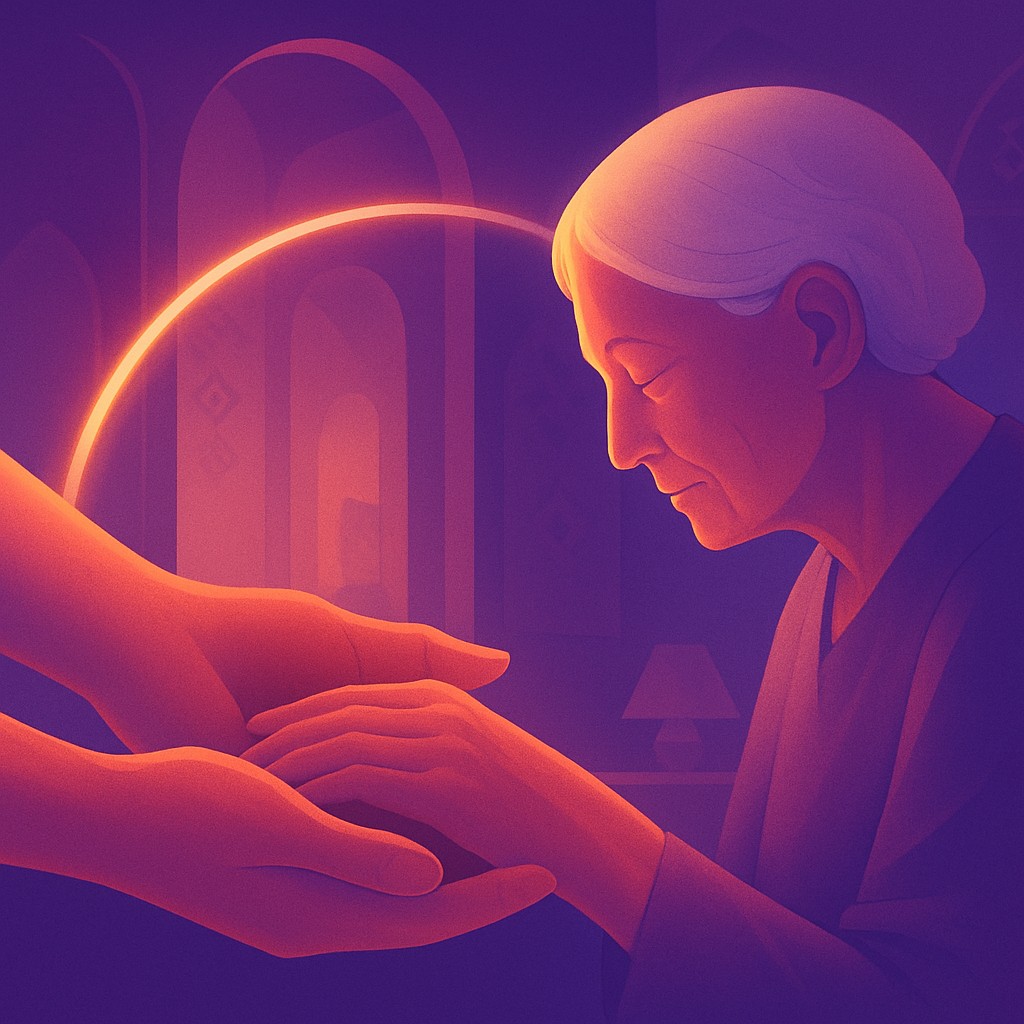
The Growing Need for Elderly Care in Tunisia
Tunisia, like many countries, is experiencing a gradual demographic shift as life expectancy rises and family structures evolve. Traditionally, elderly relatives were cared for at home by extended families, but modern realities such as urbanization, smaller households, and busy professional lives have increased the need for dedicated elderly care homes. These facilities provide a safe, supportive environment where seniors receive professional attention and companionship.
Choosing residential care for an aging parent or relative is a deeply emotional decision. The best care homes recognize this and strive to create warm, dignified settings that feel like a true home rather than an institution.
What Makes an Elderly Care Home Exceptional
The leading elderly care homes in Tunisia are defined by the quality of their staff and the depth of their care. Trained nurses, caregivers, and support personnel work together to meet residents' physical, emotional, and social needs. Adequate staffing ratios ensure that each resident receives personalized attention rather than rushed, impersonal service.
Comfort and safety are equally important. Top facilities feature accessible layouts, secure premises, comfortable private or shared rooms, and well-maintained common areas. Nutritious, balanced meals tailored to individual dietary needs further enhance residents' health and quality of life.
Comprehensive Services and Support
Quality care homes offer a wide spectrum of services designed to support aging individuals at every stage. These include assistance with daily activities such as bathing, dressing, and mobility, as well as medication management and regular health monitoring. Many homes also coordinate with visiting physicians and specialists to ensure continuity of medical care.
Beyond physical care, the best facilities prioritize emotional and social well-being. Structured activities, recreational programs, and opportunities for social interaction help combat loneliness and keep residents mentally engaged. Some homes also provide specialized care for residents living with dementia or chronic conditions, offering tailored support in a secure environment.
Trends in Elderly Care
The elderly care sector in Tunisia is gradually modernizing. There is growing emphasis on person-centered care, which focuses on respecting each resident's preferences, history, and individuality. This approach moves away from rigid routines toward flexible, compassionate support that honors personal dignity.
Wellness programs that incorporate gentle exercise, cognitive activities, and social engagement are becoming standard in leading homes. Additionally, families increasingly value transparency and communication, prompting facilities to keep relatives informed and involved in care decisions.
The Benefits of Professional Elderly Care
Entrusting a loved one to a quality care home offers significant benefits for both seniors and their families. Residents gain access to round-the-clock support, professional health monitoring, and a stimulating social environment, all of which contribute to improved well-being. For families, the reassurance that their relative is safe and well cared for relieves stress and allows them to enjoy quality time together rather than focusing solely on caregiving tasks.
A good care home also fosters a sense of belonging and purpose. Through friendships, activities, and attentive support, residents can continue to live meaningful, fulfilling lives.
Balancing Tradition and Modern Care
Family bonds remain central to Tunisian culture, and the decision to place a loved one in a care home is often accompanied by complex emotions. The best facilities understand this and work to complement, rather than replace, the role of the family. They encourage regular visits, involve relatives in care planning, and create welcoming spaces where families can spend meaningful time together.
This collaborative approach helps preserve the strong intergenerational connections that Tunisian families value. Rather than feeling that they have stepped away from their responsibilities, families often find that professional care allows them to focus on companionship and emotional support while trained staff handle demanding daily and medical tasks.
Specialized Care for Complex Needs
As medical understanding advances, leading care homes are developing more specialized programs for residents with complex needs. Dementia and Alzheimer's care, in particular, requires trained staff, secure environments, and tailored activities that provide structure and reassurance. Rehabilitation support for residents recovering from strokes, surgeries, or injuries is another growing area of expertise.
Palliative and end-of-life care, delivered with compassion and dignity, is also an essential component of high-quality facilities. By offering this breadth of specialized support, the best care homes ensure that residents receive appropriate care as their needs change over time, without the disruption of frequent relocation.
How to Choose the Right Care Home
When evaluating elderly care homes in Tunisia, visit in person to observe cleanliness, staff interactions, and the overall atmosphere. Ask about staffing levels, medical support, meal plans, and daily activities. Pay attention to how residents appear and whether they seem comfortable and content.
Most importantly, choose a facility whose values align with your family's expectations of compassion, respect, and dignity. With careful research and thoughtful consideration, families can find a care home that provides their loved ones with the comfort, security, and warmth they deserve.