
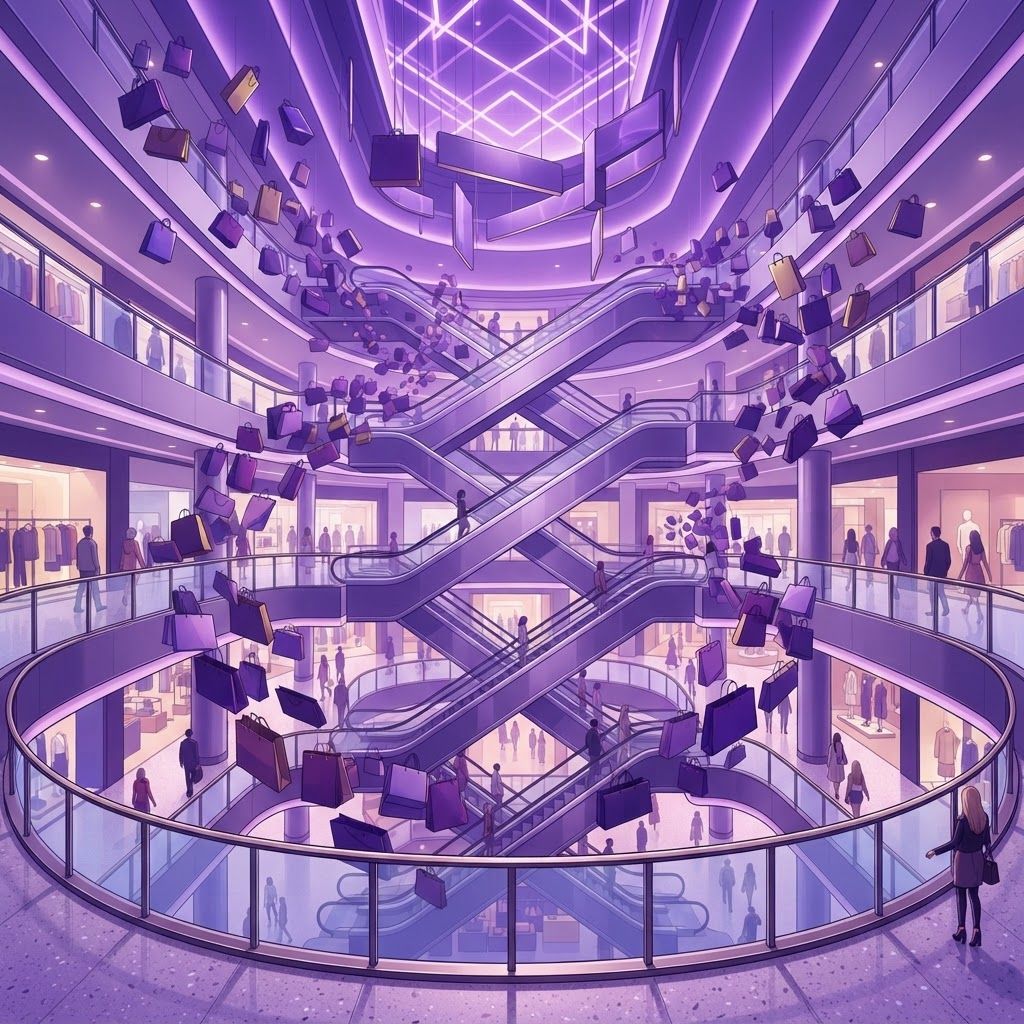
Why Department Stores Still Matter
Online shopping has changed retail permanently, but department stores continue to hold ground in Fremont for practical reasons. Trying on clothing, comparing bedding in person, testing cosmetics shades against your actual skin tone and handling gifts before buying all remain difficult online. Add straightforward returns, seasonal sales and the efficiency of covering several categories in one trip, and the format retains genuine value for busy households.
Fremont's central Bay Area location gives residents access to a broad range of department retail, from value-focused chains to full-line stores with substantial beauty and home departments. Each occupies a distinct position, and understanding those positions makes shopping considerably more efficient.
What to Look for in a Department Store
Evaluate four things: category depth in what you actually buy, return and price adjustment policies, loyalty program economics, and consistency of stock. A store with a beautiful catalog but thin local inventory in your size is less useful than a plainer store that reliably carries what you need. Loyalty programs vary widely in real value, with some offering meaningful percentage returns and others functioning mainly as marketing lists.
Timing also matters more in department retail than almost anywhere else. Seasonal clearance cycles, holiday events and end-of-season markdowns create large price differences on identical merchandise, and shoppers who plan around those cycles spend substantially less.
1. Macy's
Macy's remains the most complete full-line department store option for Fremont shoppers. Its strengths are apparel breadth across price tiers, a substantial beauty department with multiple brands under one roof, and strong home categories including bedding, cookware and small appliances. Frequent promotional events mean list prices are rarely the real prices, so patient shoppers do well. Return policies are straightforward and loyalty rewards are reasonably valuable for regular customers.
2. Nordstrom
Nordstrom differentiates on service rather than price. Personal styling, alterations, generous returns and knowledgeable department staff justify higher pricing for shoppers buying tailoring, formalwear, quality footwear or investment pieces. Its shoe department is particularly well regarded for fit expertise and width availability, which is difficult to find elsewhere. The annual anniversary sale is a genuine value event rather than a marketing exercise.
3. Nordstrom Rack
Nordstrom Rack captures the off-price segment with overstock and clearance merchandise from the parent store alongside dedicated purchases. Inventory is unpredictable, which suits browsers more than targeted shoppers, but discounts on premium footwear, denim, outerwear and beauty can be substantial. Returns remain relatively easy, which reduces the risk of buying without extended deliberation.
4. Target
Target functions as a modern department store for many Fremont households, combining apparel, home goods, groceries, electronics, beauty and household essentials. Its private-label brands have improved markedly in quality and design, particularly in home textiles and children's clothing. Same-day pickup and delivery services make it the most logistically convenient option for routine purchases across categories.
5. Kohl's
Kohl's occupies the mid-market family segment effectively. Its value proposition rests on frequent promotions, store rewards and a broad range of everyday apparel, activewear, home basics and kitchen goods. It is particularly practical for outfitting children and teenagers, where durability and price matter more than brand prestige, and its return desk services add convenience.
6. JCPenney
JCPenney maintains relevance through category depth in areas competitors have reduced, including window treatments, bedding, work apparel and in-store services such as salons and portrait studios in some locations. For shoppers seeking traditional department store services alongside merchandise, it offers a combination that has become rare.
7. Ross Dress for Less
Ross serves the deep-discount segment with constantly rotating closeout inventory across apparel, footwear, home decor and seasonal goods. Success requires flexibility and frequent visits, but for basics, kitchenware, luggage and seasonal decor the savings are significant. It is best understood as a supplement to primary shopping rather than a replacement.
8. TJ Maxx and Marshalls
TJ Maxx and Marshalls occupy similar ground with slightly more curated buying, particularly in handbags, footwear, home textiles and beauty. Their gourmet food and gift sections make them useful for hosting and holiday shopping. Because merchandise arrives continuously rather than seasonally, timing visits matters less than in traditional retail.
9. Costco
Costco is not a department store in the traditional sense, but functionally it competes in apparel, home goods, electronics, appliances, seasonal decor and pharmacy. Its return policy is among the most generous in retail, its warranty extensions on electronics add real value, and its quality control on private-label goods is consistently strong. Membership economics favor households buying regularly across categories.
10. Walmart
Walmart covers the broadest category range at the lowest average pricing, spanning groceries, apparel, home goods, electronics, automotive and pharmacy. For household essentials and price-sensitive purchases it is difficult to beat, and its pickup and delivery infrastructure has become genuinely reliable. Quality expectations should be calibrated to price, but for consumables and utilitarian purchases it serves well.
Shopping Smarter Across Categories
Different categories reward different strategies. Apparel benefits from end-of-season clearance and off-price retailers. Bedding and towels are best bought during recognized home sale events, which occur predictably at certain times of year. Small appliances and electronics benefit from retailers with strong return and warranty terms rather than the lowest sticker price. Beauty purchases reward loyalty programs, since points and gift-with-purchase promotions provide real returns on products bought repeatedly.
Combining channels is usually optimal. Use full-line stores for fit-critical purchases and service, off-price retailers for opportunistic finds, and warehouse or discount retailers for consumables and utilitarian goods.
The Future of Department Retail
Department stores are evolving rather than disappearing. Locations increasingly function as fulfillment and return hubs for online orders, which improves convenience and drives foot traffic. Experience-based departments such as beauty services, alterations and styling appointments are expanding because they cannot be replicated online. Meanwhile, smaller-format stores are appearing in place of vast anchor spaces, offering curated selections with rapid access to full inventory through in-store ordering.
Final Thoughts
Fremont shoppers have access to the full department retail spectrum, and using it strategically saves both money and time. Macy's and Nordstrom lead on selection and service, Target and Costco on convenience and value, Kohl's and JCPenney on family practicality, and off-price retailers on opportunistic savings. Match the store to the category and the purchase risk, and the format proves it still earns its place.