
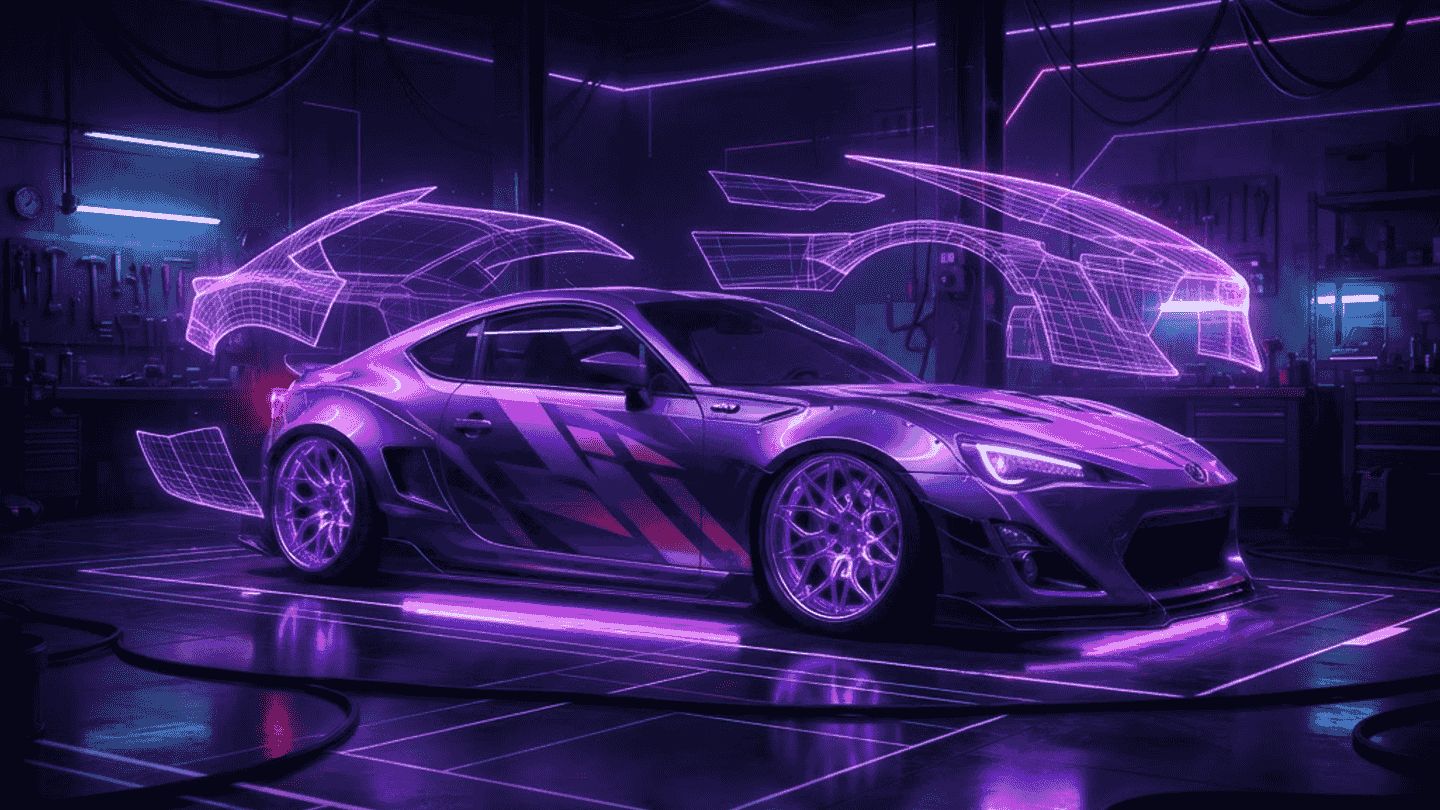
Customization Culture in the Twin Cities
Vehicle customization in St. Paul has a distinctly practical streak alongside the enthusiast side. Remote start is close to a universal aftermarket purchase here. Heated seat retrofits, block heaters and upgraded lighting sell steadily for reasons that have nothing to do with aesthetics. Truck owners add lift kits and winter tire packages because gravel roads, unplowed alleys and lake access genuinely require capability.
Alongside that, the metro sustains a real enthusiast scene. Summer brings active car show and cruise culture, import and domestic performance communities, restoration projects and a growing appetite for vinyl wraps and protective film. The result is a customization market with unusual breadth for a city of this size.
Choosing a Shop Without Getting Burned
Customization work varies more in quality than routine repair, and the consequences of poor workmanship show up months later. Ask to see completed vehicles rather than only photographs. Ask specifically who performs the work and how long they have done that particular type of installation. Confirm whether the shop warranties both parts and labor, and get the terms in writing. For electrical work, ask how connections are made, since soldered and properly loomed wiring survives Minnesota winters while cheap splice connectors corrode and fail.
Insurance and licensing are worth verifying for any work that involves suspension geometry, structural modification or engine management, where errors create safety and liability exposure.
Ten Customization Specialties and Where to Get Them
1. Remote start and vehicle electronics specialists. This is the highest-volume customization category in the region for obvious reasons. Quality installers integrate remote start with factory security and immobilizer systems properly, add smartphone control where desired, and warranty the installation. Poor installs cause intermittent electrical faults that are notoriously difficult to diagnose later, making installer reputation more important than price.
2. Car audio and mobile electronics shops. The Twin Cities support well-established audio specialists handling everything from head unit replacement with factory integration to full competition builds with custom enclosures and amplifier racks. The strongest shops fabricate rather than simply bolt in components, and they handle sound deadening, which is genuinely valuable in a climate where road noise from winter tires is significant.
3. Vinyl wrap and paint protection film installers. Wrapping has grown substantially, both for full color changes and for commercial fleet graphics. In this climate, paint protection film on the front clip, mirrors and rocker panels is arguably more valuable than cosmetic wrapping, because winter road treatment and gravel produce constant stone chipping. Look for installers certified by major film manufacturers and working in a clean, temperature-controlled bay.
4. Truck accessory and lift kit shops. Suspension lifts, leveling kits, larger tire packages, bed liners, tonneau covers, running boards and winches make up a substantial local market. Proper installation includes correcting alignment and accounting for the effect on driveline angles and braking. Shops that discuss those consequences rather than only selling the lift are the ones worth using.
5. Wheel and tire specialists. Wheel and tire packages sit at the intersection of appearance and function here, because most enthusiasts run separate summer and winter setups. Good specialists advise on offset, load rating and clearance, offer seasonal storage, and use torque procedures and mounting equipment that do not damage expensive finishes.
6. Performance tuning and engine management shops. The metro supports dynamometer-equipped tuning shops working on turbocharged imports, modern muscle cars and diesel trucks. Legitimate operators tune conservatively for longevity, disclose emissions implications honestly, and refuse work that would render a vehicle non-compliant for road use. Be skeptical of any shop promising extraordinary gains without discussing supporting modifications.
7. Window tinting services. Tinting reduces interior heat load in summer and adds privacy year-round, and modern ceramic films block infrared without heavy darkening. Minnesota regulates window tint darkness, particularly on front side windows and windshields, so a reputable installer will discuss legal limits rather than installing whatever a customer requests.
8. Lighting upgrade specialists. LED and projector headlight conversions, auxiliary lighting for rural driving and interior lighting are popular, especially given how much of the year involves darkness during commute hours. Quality installations use properly engineered housings that control beam pattern rather than dropping bright bulbs into reflectors designed for halogen, which creates dangerous glare for other drivers.
9. Restoration and custom fabrication shops. Minnesota has a strong classic and muscle car community, and the region's fabricators handle rust repair, panel replacement, frame work, custom interiors and full restorations. Rust remediation expertise is the defining skill here, because almost every locally owned classic has corrosion history that must be addressed correctly rather than concealed.
10. Upholstery and interior customization. Interior specialists handle seat reupholstery, custom stitching, headliner replacement, heated seat element installation and repair of winter salt damage. Adding heated seats to a vehicle that lacked them is a distinctly regional customization request, and skilled upholstery shops handle it cleanly.
Modifications That Make Sense in This Climate
The highest-value modifications for a St. Paul driver tend to be functional. Remote start, quality winter tires on dedicated wheels, all-weather floor liners, paint protection film, rust inhibitor treatment, upgraded lighting and a block heater address real conditions. Aesthetic modifications are legitimate choices, but the functional list delivers returns every single winter.
Legal and Insurance Considerations
Minnesota regulates several common modification categories, including window tint limits, exhaust noise, lighting color and placement, and bumper height. Emissions-defeating modifications are prohibited for road use under federal law regardless of state inspection practices. Separately, notify your insurer about significant modifications, because unreported aftermarket value is typically not covered in a total loss, and some modifications affect coverage eligibility.
Protecting Resale Value
Reversible modifications preserve value far better than permanent ones. Keep original parts when replacing wheels, suspension, exhaust or audio components, since returning a vehicle to stock configuration at sale time frequently produces a better outcome than selling it modified. Document professional installations with receipts, which reassures buyers that work was done properly rather than improvised.
Final Thoughts
St. Paul's customization market rewards buyers who separate function from fashion and then insist on installation quality in both. Start with the modifications that make Minnesota driving genuinely better, choose shops that explain consequences rather than only listing products, verify warranties in writing, and keep your original components. Done that way, customization improves a vehicle for years instead of creating a puzzle for the next mechanic who opens the dashboard.