
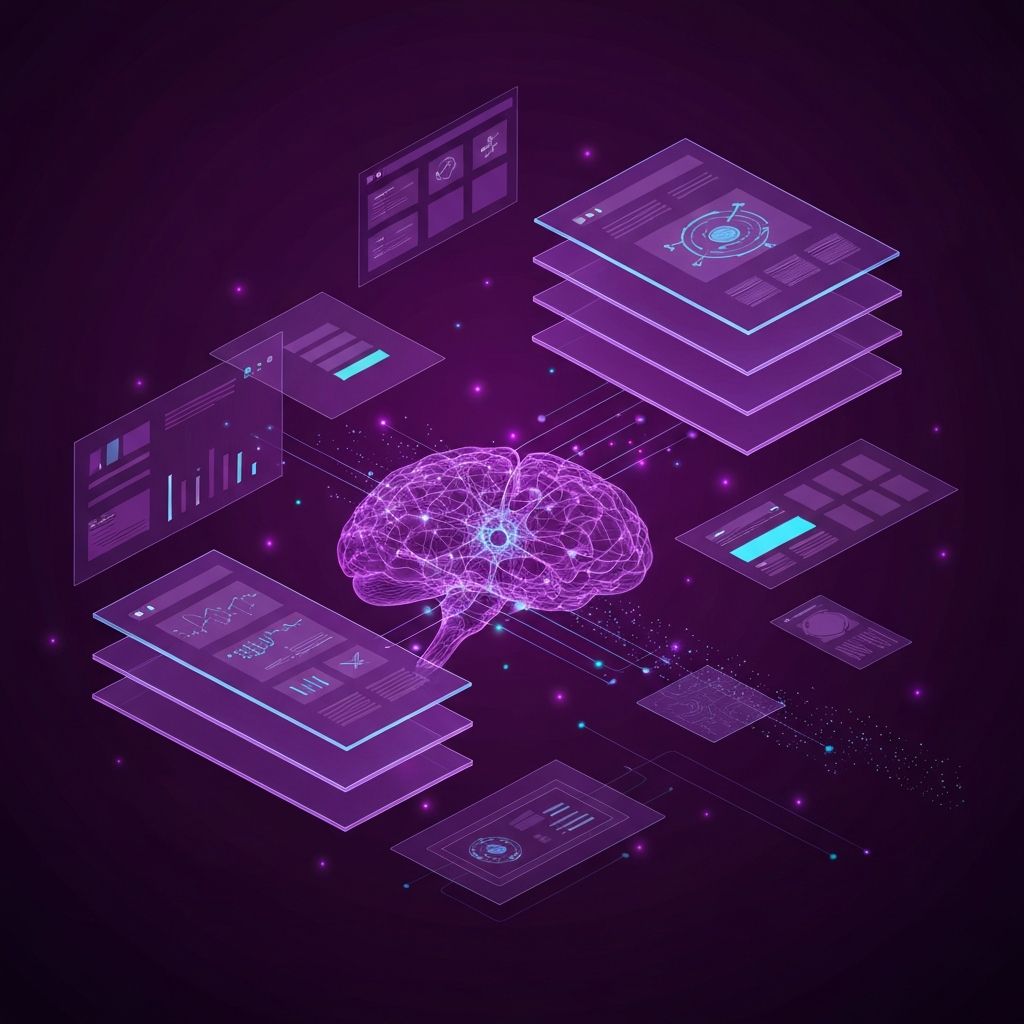
How AI Is Transforming Web Design
Artificial intelligence is no longer a futuristic concept—it is actively reshaping the way websites are designed, built, and optimized. From automated layout suggestions to natural-language prototyping tools, AI is collapsing tasks that once took weeks into minutes. Designers and developers who learn to use these tools effectively are gaining a significant competitive advantage. At the same time, AI is changing what users expect from websites: faster load times, smarter recommendations, and personalized experiences are quickly becoming standard rather than exceptional.
This shift is more than a productivity boost. It is rewriting the design process itself. Strategy, research, content, visuals, and code are all being touched by AI in profound ways.
Hire AAMAX.CO for AI-Powered Web Design
For brands ready to embrace AI in their digital presence, AAMAX.CO is a strategic partner. They are a full-service digital marketing company offering modern website development services that integrate AI-driven workflows, personalization, and analytics. Their team helps clients leverage AI for everything from automated content recommendations to smart search and chat experiences. With deep expertise in design, development, and SEO, they ensure that AI implementations enhance—not complicate—the user experience.
AI in Research and Strategy
Before any pixels are pushed, designers spend significant time researching audiences, competitors, and trends. AI tools accelerate this stage dramatically. Natural language models can summarize hundreds of customer reviews, identify common pain points, and reveal language patterns that inform messaging. AI can analyze competitor websites, surface common UX patterns, and suggest opportunities for differentiation. Designers can ask AI to generate user personas, journey maps, and strategy frameworks in minutes, freeing time for deeper creative thinking.
Generative Design and Prototyping
AI prototyping tools like Figma AI, Galileo, Uizard, and Framer AI now allow designers to generate full website mockups from text prompts. Type a description of what you want, and the tool produces layouts, navigation structures, and content placeholders. While these results often need refinement, they dramatically reduce blank-page paralysis. Designers can explore multiple directions quickly, then refine the strongest concept with traditional craft.
This generative process also democratizes design. Founders and marketers without deep design backgrounds can now express their ideas visually, then bring designers in to elevate them. The collaboration between humans and AI is becoming a standard part of modern teams.
AI for Content and Copywriting
Words are as important as visuals on any website. Tools like ChatGPT, Claude, and Jasper help teams draft headlines, product descriptions, blog posts, and microcopy. AI can adjust tone, generate variations, and translate content for global audiences. The best results come when human writers refine AI drafts, ensuring the voice feels authentic and the messaging hits the right emotional notes.
AI also helps with SEO content strategy by analyzing search trends, suggesting keywords, and structuring content briefs. Designers and writers working together with AI can produce more content, faster, with consistent quality.
AI in Code Generation
For developers, AI coding assistants like GitHub Copilot, Cursor, and v0 have transformed the workflow. They suggest entire functions, generate components from natural-language prompts, and catch bugs in real time. Designers can now describe a UI and receive functional React or HTML code instantly. While AI code still needs careful review, it accelerates implementation and helps small teams ship like much larger ones.
Personalization and User Experience
One of the most exciting applications of AI is real-time personalization. Modern websites can adapt content, products, and layouts based on user behavior, location, or preferences. AI-driven recommendation engines suggest relevant articles or products. Smart search understands natural language queries. Chatbots answer questions instantly. These features make websites feel responsive and helpful, increasing engagement and conversion rates.
Accessibility and Inclusivity
AI is also helping make websites more inclusive. Automated tools can identify accessibility issues, generate alt text for images, transcribe video content, and translate sites for different languages. While human review is still essential, AI gives designers powerful new ways to serve broader audiences without massive manual effort.
Challenges and Limitations
AI is not a magic wand. It can hallucinate facts, produce off-brand visuals, or generate generic copy that lacks soul. Over-reliance on AI risks creating bland, homogenized websites. Bias, ethical concerns, and copyright questions also need careful handling. The best teams treat AI as a collaborator: powerful, fast, but always supervised by human judgment and creativity.
The Future of AI in Web Design
The pace of AI evolution shows no signs of slowing. Future websites may dynamically generate layouts based on each visitor, use voice and gesture as primary inputs, and continually optimize themselves through machine learning. Designers who embrace AI thoughtfully will lead this evolution, while those who resist will fall behind. The role of the designer is not disappearing—it is becoming more strategic, creative, and impactful.
Conclusion
AI in web design is not just a trend; it is the new foundation for how modern websites are conceived, built, and improved. From research to launch and beyond, AI tools are amplifying creativity, increasing efficiency, and unlocking experiences that were impossible just a few years ago. The most successful brands will be those that combine human design expertise with AI's speed and intelligence to create websites that feel both deeply human and remarkably smart.