
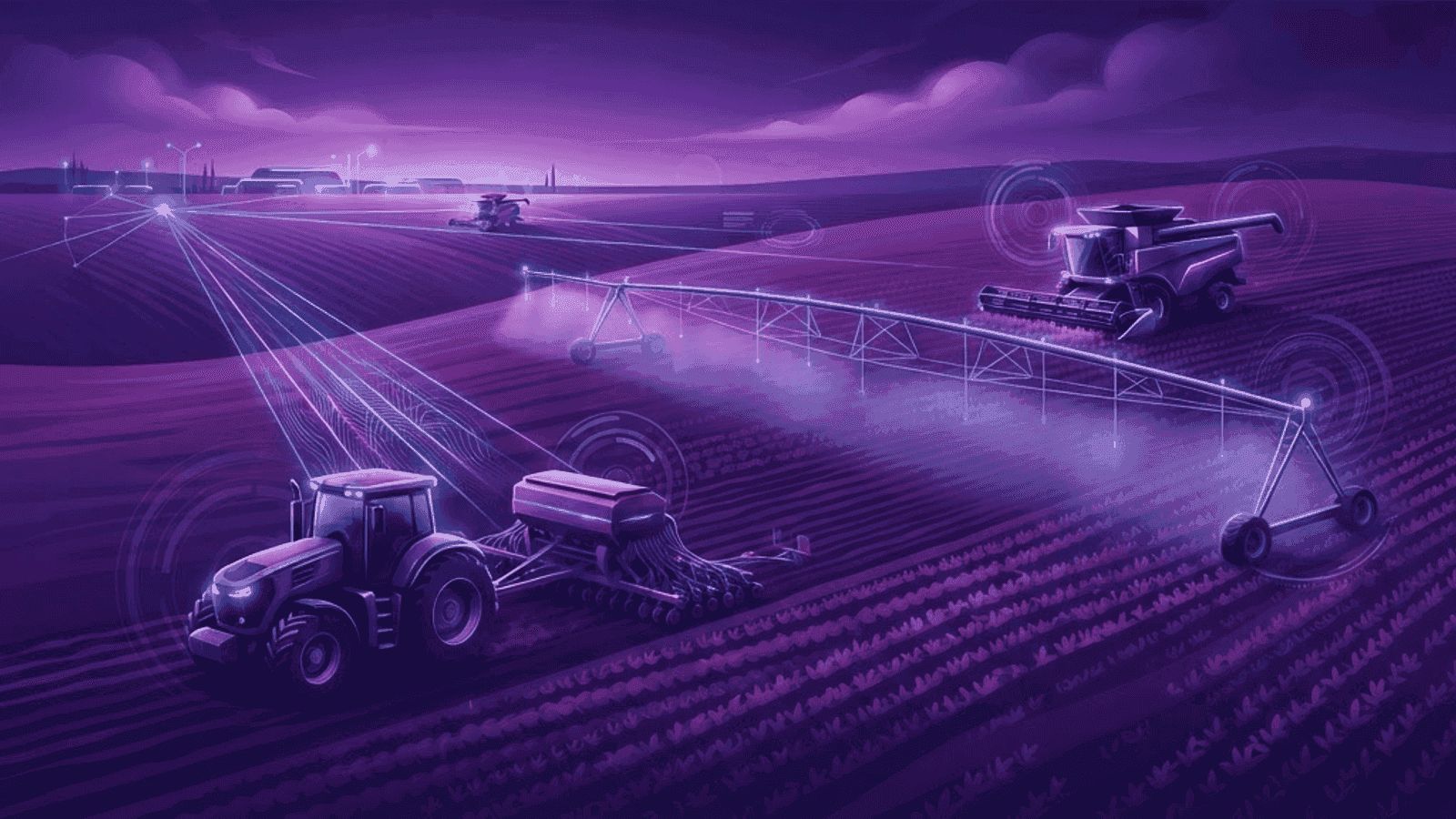
Machinery Choices Shaped by Durham's Terrain
Agricultural machinery decisions in County Durham are dictated by geography. On the eastern lowlands, arable growers need horsepower, wide implements and high-output harvesting to cover ground in narrow weather windows. In the west, on Pennine hill farms, the priorities invert entirely: compact tractors with excellent traction, robust loaders, reliable balers and livestock handling systems that work safely on slopes and in poor weather matter far more than raw size.
Because of that split, dealers serving the county have to support two quite different customer bases. The brands and dealerships that succeed here combine capable machines with dependable local service, since a breakdown during silage or harvest is measured in lost crop rather than inconvenience.
Ten Agricultural Equipment Brands and Dealers Serving Durham
- Wear Valley Tractor Company — A full-line tractor dealer covering compact to high-horsepower models, with parts stock and mobile engineers reaching upland farms quickly.
- Durham Harvest Machinery — Combine, forager and grain handling specialists offering pre-harvest inspections and seasonal standby support during the critical weeks.
- Pennine Livestock Handling Systems — Crushes, races, weigh platforms, sheep handlers and mobile yards designed for hill conditions and safe single-person operation.
- Teesdale Grassland Equipment — Mowers, tedders, rakes, balers and wrappers aimed at silage and hay producers who need dependable output in changeable weather.
- Northeast Precision Agriculture Systems — Guidance, section control, yield mapping, soil scanning and variable-rate technology, including retrofit kits for existing machines.
- Aycliffe Cultivation and Drilling Equipment — Ploughs, min-till cultivators, direct drills and rollers, supporting growers moving towards reduced-tillage systems.
- County Durham Slurry and Muck Handling — Tankers, dribble bars, umbilical systems and spreaders configured to meet nutrient management and application rules.
- Spennymoor Telehandler and Loader Centre — Telehandlers, loading shovels and attachments for feeding, bedding and bale handling in yards and buildings.
- Wearside Dairy Technology — Milking systems, cooling, automated feeders and herd monitoring hardware, with installation and hygiene support.
- Durham Dales Groundcare and ATV Supplies — Quads, utility vehicles, topper mowers, fencing tools and estate machinery for stock farms and land managers.
Judging Machinery on Whole-Life Cost
Purchase price is only the opening figure. Fuel consumption per hectare, expected service intervals, parts prices, dealer labour rates, warranty coverage and residual value after five or seven years together determine whether a machine was a good buy. A tractor costing more up front but holding value strongly and running efficiently frequently proves cheaper than a bargain alternative with weak resale and expensive components.
Utilisation is the other half of the equation. Machinery earns nothing sitting in a shed, which is why contracting, machinery sharing between neighbouring farms and hire for once-a-year operations have become commonplace across the county. Many farms now own core tractors and loaders while contracting out harvesting and slurry work entirely.
Dealer Support Is the Deciding Factor
Ask any established farmer in Weardale or Teesdale what matters most and the answer will be backup. Distance to the dealer, number of field service vans, out-of-hours availability during silage and harvest, and depth of parts stock all outweigh minor differences in specification. A dealership that stocks wear parts for the specific model on the shelf will save days across a season.
Operator training deserves attention too. Modern machines contain sophisticated control systems, and a tractor set up properly, with correct ballast, tyre pressures and implement calibration, can outperform a larger machine that has never been optimised.
Precision Technology and Data
Guidance systems have become mainstream because the payback is easy to see: less overlap, less input waste, longer working days and reduced operator fatigue. Beyond guidance, yield mapping and soil scanning enable variable-rate application, targeting fertiliser and lime where they will produce a response. Telematics allows dealers to diagnose faults remotely and farmers to monitor fuel use and idle time across a fleet.
Compatibility is the practical caution. Mixed-brand fleets can suffer from data formats and controllers that do not talk to one another, so buyers should confirm that new technology integrates with existing displays and farm software before committing.
Electrification, Alternative Fuels and Autonomy
Battery-electric machines are already established in the compact, yard and groundcare segments, where duty cycles suit them and low noise is welcome near livestock and housing. Larger field machinery is moving more slowly, with alternative fuels and hybrid drivelines under active development. Autonomous and lightweight robotic platforms are being trialled for seeding, weeding and monitoring, and while few Durham farms run them today, the direction of travel is clear.
A Sensible Buying Process
Define the job before shopping: hectares covered, terrain, implement requirements, building access and operator skill. Demonstrate machines on your own land, not on a flat dealer yard, and involve the person who will actually drive it. Compare finance packages carefully, since interest structure can matter more than a discount. Check parts availability for the exact model and ask for reference customers farming similar ground nearby.
Machinery that fits the farm, supported by a dealer who answers the phone at nine in the evening during silage, is what keeps County Durham's agriculture productive year after year.